Blanket Fabric Guide: 6 Common Fabrics for Heated Blankets
Fabric plays an important role in blanket comfort, warmth, appearance and durability. Different fabrics provide different hand feel,…
September 24, 2026
This guide explains how global buyers evaluate heating suppliers based on manufacturing capability, certifications and quality control.
CONTACT US
Winter demand can create strong sales opportunities for heated blankets, but seasonal products also carry a specific inventory risk: order too little and you may run out during peak demand; order too much and you may still be holding winter stock when temperatures rise.
For retailers, distributors and private-label brands, heated blanket inventory planning should start well before the peak selling season. A useful plan combines historical sales, product assortment, supplier lead time, safety stock, promotion timing, electrical specifications and post-season inventory control.

Heated blankets are strongly influenced by weather and seasonal purchasing behavior. Demand usually begins building during autumn and becomes more concentrated as temperatures fall, but the exact timing varies by region and sales channel.
Retailers should review:
Historical data should be used as a starting point, not as a guarantee. A longer cold season, an unusually warm autumn or a major promotion can all change the sales curve.
Not every heated product should receive the same inventory allocation. Retailers should build their assortment around proven core SKUs, target-market preferences and seasonal sales history rather than spreading inventory evenly across every available style.
Common categories can include:
For North American programs, sizes such as Throw, Twin, Full, Queen and King may also influence how inventory is split. Proven sizes and colors can receive a larger allocation, while new materials, colors or less-tested styles can start with smaller initial quantities.
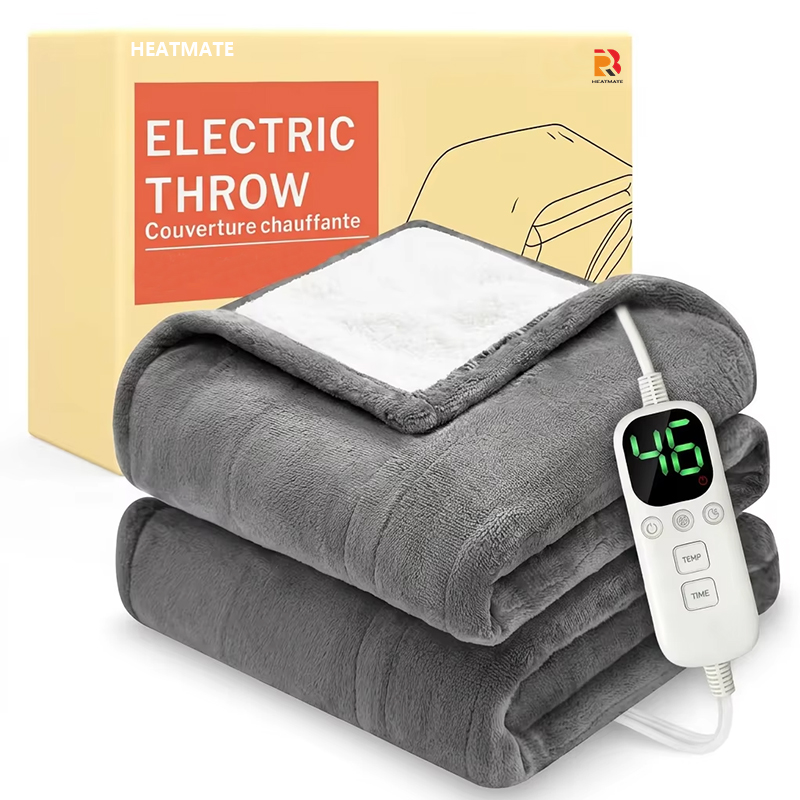
Retailers comparing different heated-product categories can also review HEATMATE’s heated product buying guide.
Production lead time is one of the most important variables in winter inventory planning. If a retailer waits until demand has already accelerated, production slots, materials and shipping schedules may become harder to coordinate.
This is a planning framework rather than a universal purchasing formula. Open purchase orders, promotion plans, expected sell-through and replenishment lead time should also be included in the final decision.
For one current HEATMATE electric blanket configuration, standard samples are normally prepared in approximately 3–5 days, customized samples may require around 7–15 days, and mass production is commonly estimated at around 30–45 days after sample approval and order confirmation. Actual timing still depends on quantity, materials and customization scope.
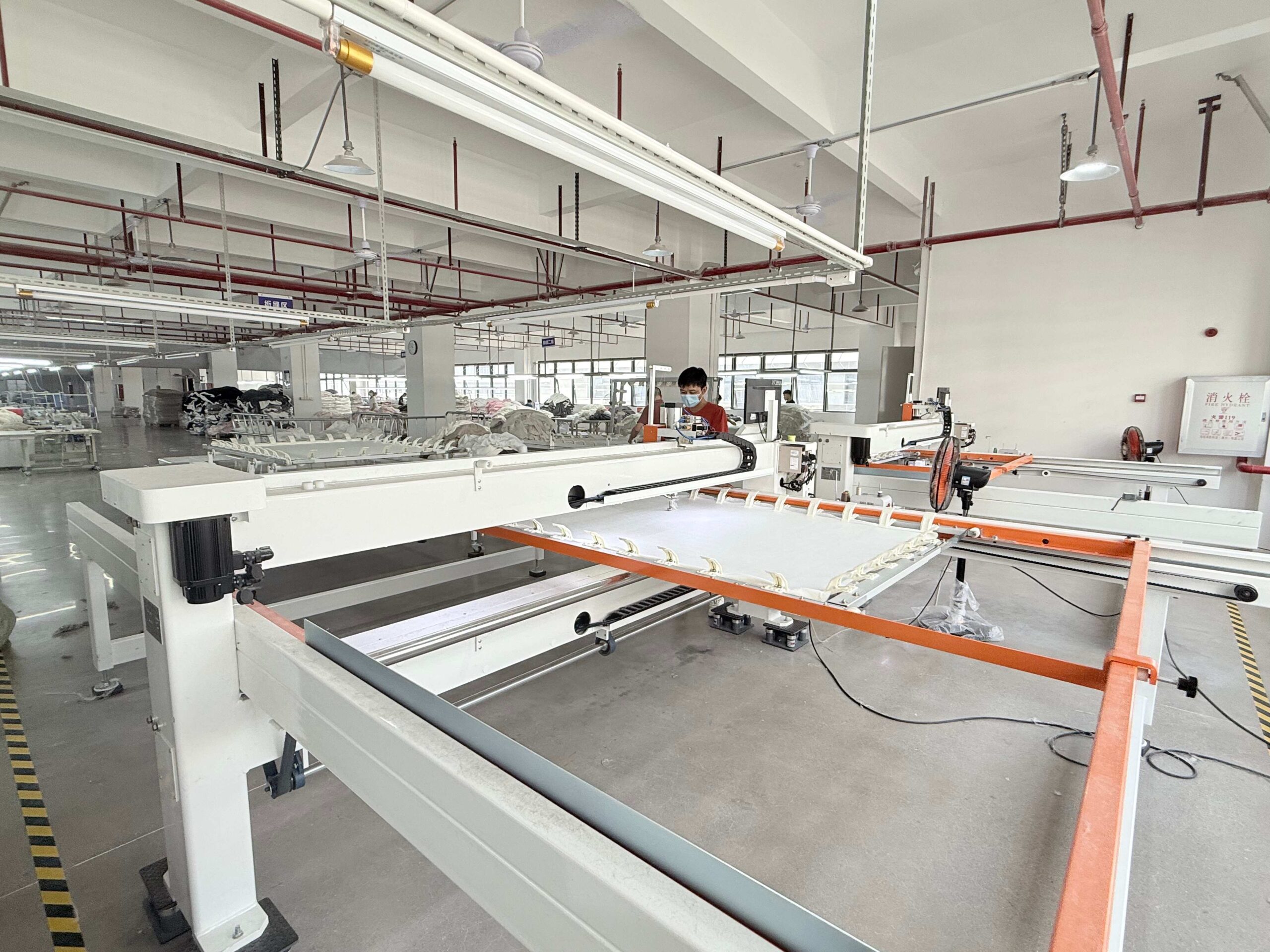
For more detail on product development before mass production, see OEM Electric Blanket Customization: From Product Idea to Mass Production.
Safety stock helps reduce the risk of running out when demand rises faster than expected. Winter weather can change purchasing patterns quickly, especially when a cold spell overlaps with a promotion or holiday sales period.
Safety stock decisions should consider:
How much weekly sales changed during previous winter seasons.
How quickly replenishment can realistically be produced and delivered.
How closely previous forecasts matched actual sell-through.
Whether Black Friday, Cyber Monday, Christmas or other campaigns may create demand spikes.
Excessive safety stock can increase storage cost and create discount pressure after winter, so inventory should be reviewed throughout the season rather than set once and forgotten.
Heated blanket demand can behave differently across marketplaces, DTC websites, department stores, specialty retailers and wholesale programs. Retailers should separate normal winter demand from promotion-driven demand when building forecasts.
| Sales Scenario | Inventory Planning Focus |
|---|---|
| Regular winter sales | Historical weekly sell-through and normal replenishment |
| Black Friday / Cyber Monday | Promotion uplift, fulfillment capacity and extra safety stock |
| Marketplace flash sale | Short-term order volume and warehouse readiness |
| Retail-store replenishment | Regional stock availability and transfer time |
| Christmas period | Shipping cutoffs and final delivery deadlines |
Promotion schedules should be shared with suppliers early when possible. A sudden campaign may be easy to launch online, but production capacity and international freight cannot always be accelerated at the same pace.
Material selection can influence softness, warmth, appearance, weight, price and overall retail positioning. It should therefore be considered as part of assortment planning rather than only as a production-cost decision.
| Material Direction | Typical Positioning |
|---|---|
| Lightweight fleece | Value-oriented or mainstream retail programs |
| Flannel | Soft everyday home-use positioning |
| Sherpa | Warm, winter-focused positioning |
| Faux fur / plush | Premium or gift-oriented products |
| Microfiber | Lightweight, practical and cost-conscious programs |
These are positioning examples rather than fixed market rules. Retailers should use their own customer data and target price band when deciding which materials deserve the most inventory.
Heated blankets are electrical products, so a retailer may effectively be managing different SKUs by market even when the textile appearance is identical.
Different destinations may require different:
Before mass production, confirm the finished configuration and target-market requirements with the supplier. HEATMATE’s electric blanket safety testing and quality inspection guide explains why documentation should match the actual model, electrical configuration and destination market.
Seasonal inventory planning is not only about having enough units. A late quality problem during peak season can be more expensive than the defect itself because replacement production may miss the remaining selling window.
For heated blankets, inspection can include:
QC should be built into the shipment schedule instead of treated as an afterthought once production is already complete.
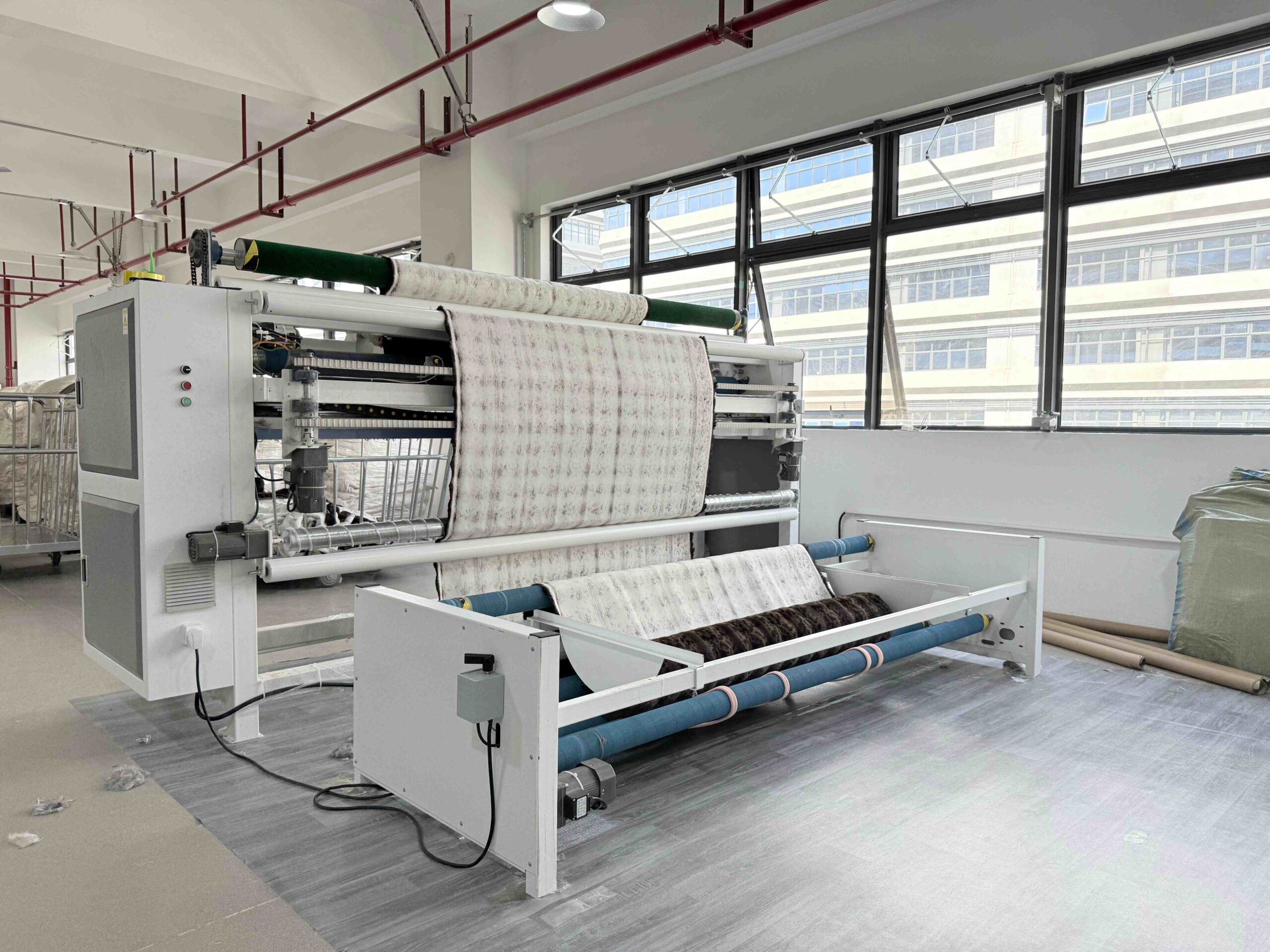
For a new product, new market or uncertain forecast, one large seasonal order is not always the only option. When supplier lead time and MOQ allow it, phased purchasing can reduce the risk of committing too much inventory before demand is proven.
Cover forecasted core demand with proven products, sizes and colors.
Monitor sell-through, conversion data, stock cover and customer feedback.
Increase orders for products with confirmed demand while reducing exposure to slower-moving SKUs.
Reduce replenishment as the remaining selling window becomes shorter and clearance risk increases.
The feasibility of phased purchasing depends on MOQ, available materials, production capacity and shipping time. For selected HEATMATE electric blanket models, the published MOQ starts from 500 pieces per model, while the final MOQ depends on configuration and customization.
Retailers should monitor inventory throughout the season and avoid excessive new purchasing late in winter. Possible post-season strategies can include seasonal promotions, bundle offers, cross-selling, limited-time discounts and controlled storage for the following season.
Products with neutral colors, standard dimensions, proven controllers and stable packaging may be easier to carry into the next winter season than highly trend-driven designs.
For seasonal products, supplier evaluation should go beyond asking how many units a factory can produce. Retailers should also ask whether the factory can reserve capacity, maintain the approved specification and meet the required shipment window.
Can the factory support your required production window during peak season?
Are core fabrics, controllers and packaging materials available when replenishment is needed?
Can the factory reproduce the approved sample across mass production?
Can repeat orders be scheduled before the selling window closes?
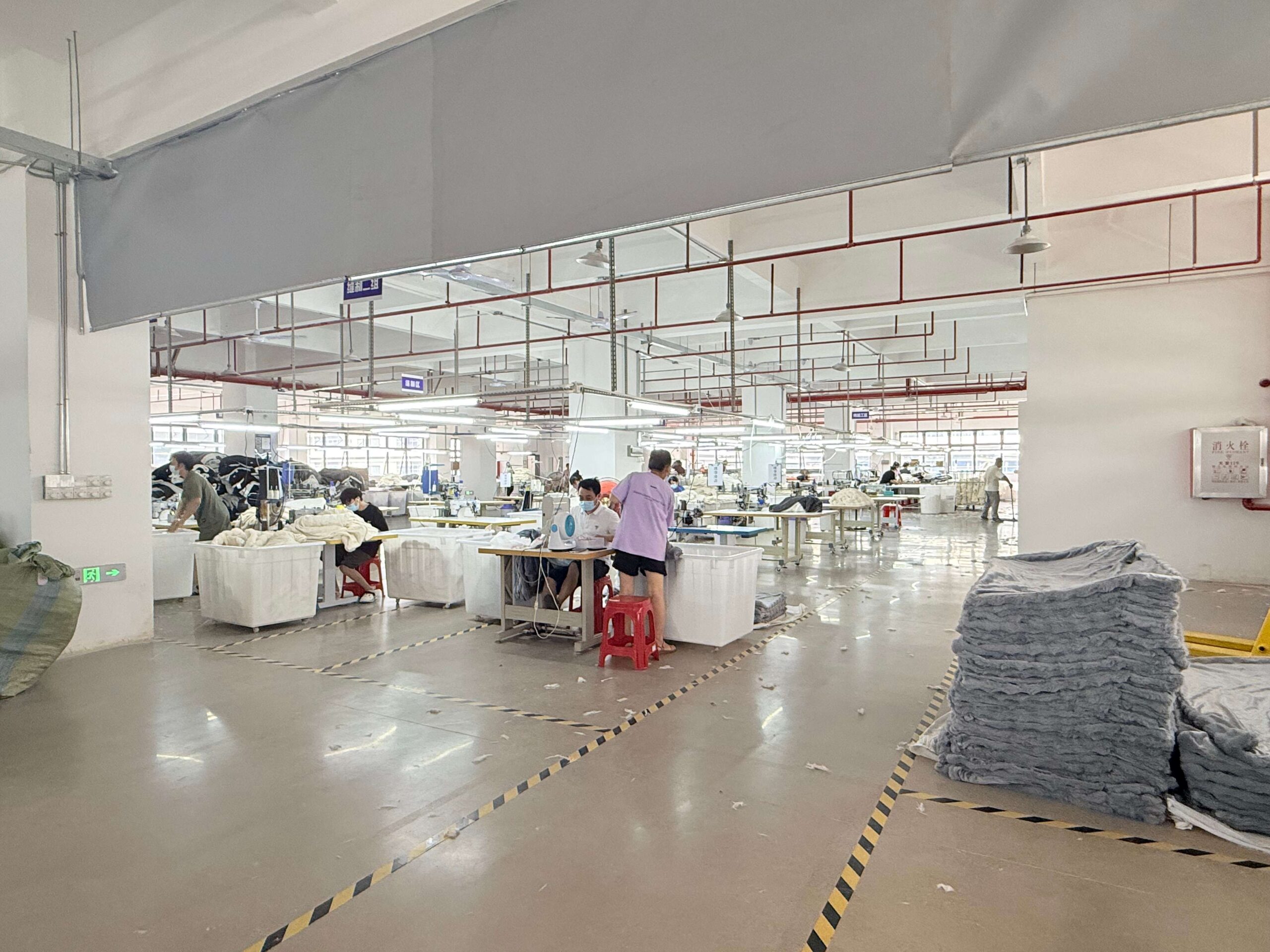
For buyers developing private-label products, see HEATMATE’s OEM & ODM manufacturing services.
The exact calendar should be calculated backward from your required warehouse arrival date, but the following framework can help structure the planning process.
| Timing | Recommended Action |
|---|---|
| 4–6 months before target in-stock date | Review sales history, target markets and product assortment. |
| 3–5 months before | Confirm products, electrical configurations, packaging direction and supplier capacity. |
| 2–4 months before | Complete samples, packaging, specification review and applicable compliance planning. |
| 1–3 months before | Complete mass production, QC, export preparation and shipment. |
| Peak season | Monitor sell-through, stock cover and replenishment requirements. |
| Late season | Reduce new buying on slow SKUs and manage residual inventory. |
| Post season | Review sell-through, returns, promotions and SKU performance for next year. |
Retailers should work backward from the required warehouse arrival date. The schedule should include sample approval, material preparation, production, QC, international shipping, customs clearance and local delivery.
There is no universal percentage. Safety stock should reflect demand variability, forecast accuracy, supplier lead time, promotion plans and the remaining winter selling window.
Usually not. Inventory allocation should follow historical sell-through and market demand. Proven core sizes and colors can receive more stock, while new or slower-moving SKUs can be tested in smaller quantities.
For one current HEATMATE electric blanket configuration, customized samples may require around 7–15 days and mass production is commonly estimated at around 30–45 days after sample approval and order confirmation. Actual timing depends on quantity, materials and customization.
Confirm voltage, frequency, plug, controller, labels, manuals, packaging and market-specific compliance requirements before production begins.
Heated blanket inventory planning requires more than estimating how many units might sell during winter. Retailers need to coordinate product assortment, seasonal demand, supplier lead time, safety stock, electrical configurations, quality inspection, promotions and post-season inventory.
The most reliable approach is to plan backward from the required in-stock date, allocate more inventory to proven SKUs, keep new variations controlled, and review sell-through throughout the season rather than relying on one fixed forecast.
For importers and private-label brands, early communication with the manufacturer can also improve planning. Clear specifications and realistic purchasing forecasts give the supplier more time to prepare materials, reserve production capacity and schedule quality inspection before the winter selling window becomes critical.
Share your target market, product types, quantities, delivery window and customization requirements with HEATMATE. Our team can help review product configuration, sample timing and production planning before you confirm the seasonal order.
Discuss Your Winter Heating ProjectHEATMATE is an OEM/ODM supplier specializing in the development and production of innovative heating products, such as high-quality heating blankets USB Heated Scarf, Electric Heated Blanket, Electric Heated Under Blanket,USB Heated Jacket, USB Heated Shawl and other heated product. We have our own production factories in Shenzhen, Sichuan, and Henan. We have strong manufacturing capabilities and a commitment to large-scale production.
More manufacturing knowledge for global heating-product buyers.

Fabric plays an important role in blanket comfort, warmth, appearance and durability. Different fabrics provide different hand feel,…

A heated throw blanket combines soft textile materials with an integrated electrical heating system to provide controlled warmth.…
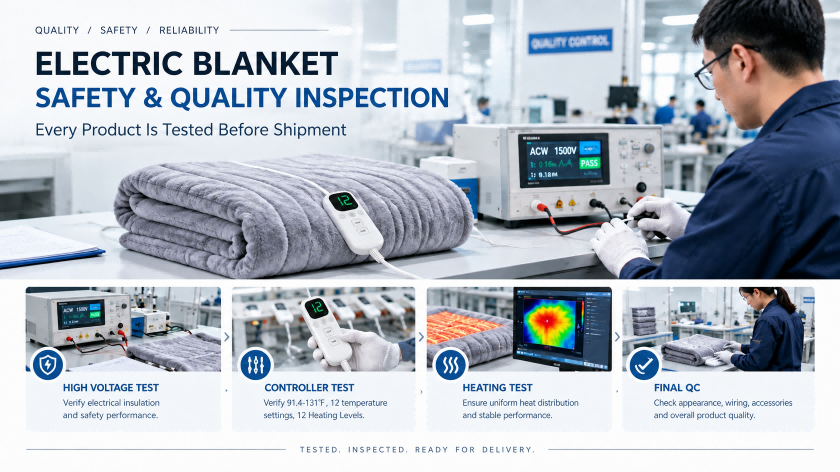
How HEATMATE Inspects Electric Blankets Before Shipment A reliable electric blanket is not only about heating performance or…
Partner with HEATMATE for professional heating solutions.
GET FREE QUOTEIf you have any questions, please do not hesitate to contact us.