Blanket Fabric Guide: 6 Common Fabrics for Heated Blankets
Fabric plays an important role in blanket comfort, warmth, appearance and durability. Different fabrics provide different hand feel,…
September 24, 2026
This guide explains how global buyers evaluate heating suppliers based on manufacturing capability, certifications and quality control.
CONTACT US
A heated throw blanket combines soft textile materials with an integrated electrical heating system to provide controlled warmth. Unlike a traditional blanket, which mainly retains body heat, a heated throw actively generates heat through heating elements built into the blanket.
For the user, the idea is simple: connect the blanket to the specified power source, turn on the controller and select a heat setting. From a manufacturing perspective, however, a reliable heated throw depends on several systems working together — the heating element, controller, electrical connection, textile construction, insulation and safety protection.
This guide explains how that process works, what affects heating performance, and what OEM/ODM buyers should pay attention to when developing heated throw products.
A heated throw is a textile blanket with an integrated electrical heating system. When connected to its specified power source, electrical current passes through a heating element inside the blanket. Because the heating element has electrical resistance, part of the electrical energy is converted into heat.
A typical heated throw may include:
Soft outer fabric, inner textile layers and fixing or protective layers.
Resistive heating wire or another designed heating component positioned inside the heating zone.
Controller, cable, connector and power cord or compatible low-voltage power connection.
Temperature regulation, insulation and product-specific safety protection components.
The performance of a heated throw depends on how these parts are designed and assembled as a complete system, rather than on any single component alone.
The basic principle is resistive heating. When electrical current flows through the heating element, its resistance causes electrical energy to be converted into thermal energy.
The heating element is distributed through selected areas of the blanket rather than concentrated in one small location. Its layout, spacing and fixation all influence how evenly the finished product warms.
For product designers and manufacturers, the heating system must balance several requirements at the same time:
The heating wire is one of the core heat-generating components in many electric heated blankets. When current passes through the wire, electrical resistance produces heat, which then transfers through the surrounding textile layers.
From a manufacturing perspective, the wire itself is only part of the design. Its electrical specification, placement and fixation also matter.
| Design Factor | Why It Matters |
|---|---|
| Wire resistance | Influences the relationship between electrical input and heat output. |
| Wire arrangement | Affects how heat is distributed across the intended heating area. |
| Wire flexibility | Helps the finished blanket remain soft and comfortable during normal use. |
| Wire fixation | Helps the heating element stay in its designed position during manufacturing and use. |
| Electrical insulation | Provides separation and protection between the electrical heating system and surrounding textile materials. |
The controller allows the user to select a heating level and manages the electrical power delivered to the heating system. Depending on the product design, the controller may provide several heat settings, timer functions, a display or automatic shut-off functions.
The exact control method varies by product design. For OEM/ODM projects, controller functions can be adapted to the target market and product positioning.
Number of heat levels, timer settings, displays and operating logic.
Button layout, controller housing, cable length and connector design.
Logo placement, controller artwork and private-label presentation.
Electrical specifications and related product configuration according to the intended sales market.
For buyers developing a private-label product, controller selection should be confirmed early because it can affect user experience, electrical configuration, testing and production planning.
Generating heat is only one part of the system. A good heated throw also needs to transfer and distribute that heat across the intended heating area.
The spacing of the heating element, the size of the active heating zone and the blanket’s layered textile construction can all influence the final heating experience.
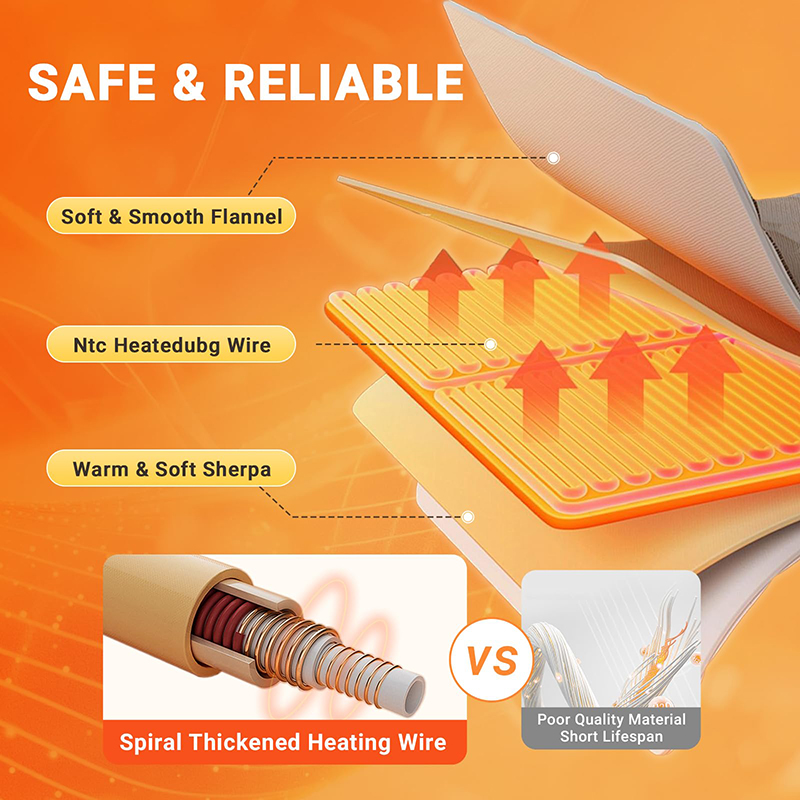
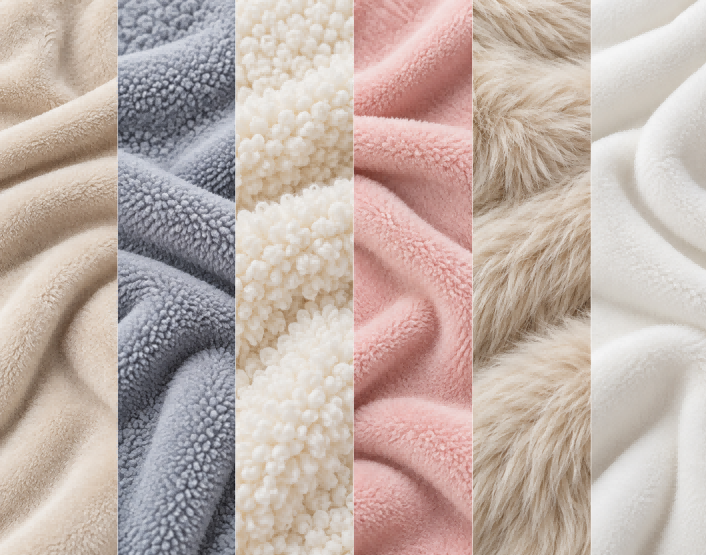
Textiles also influence how the product feels and how heat is transferred to the user. Common materials used in heated throws can include flannel, fleece, sherpa, coral fleece, faux fur and microfiber.
Different materials create different hand feel, insulation characteristics, thickness and market positioning. This is one reason why OEM heated throws are usually developed as a complete textile-and-heating system rather than by selecting a fabric independently from the electrical design.
Heated throws are only one type of electric heating textile. Buyers comparing different product formats can also read our Heated Product Buying Guide: Blankets, Shawls, Heating Pads & More to understand how heated throws compare with other electric heating products for different use cases and markets.
A heated throw combines electricity, heat-generating components and textile materials. Safety therefore needs to be considered throughout product design, component selection, manufacturing and final inspection.
The heating system should be designed to respond appropriately if operating conditions move outside the intended range.
The controller manages heating output according to the selected operating mode.
Heating and electrical components require appropriate insulation and protection within the textile construction.
The connection between blanket, controller and power source needs to be properly designed, assembled and tested.
Real-world recalls illustrate why these details matter. The U.S. Consumer Product Safety Commission has published recalls involving heated blankets where problems included overheating internal heating elements, malfunctioning controllers, and electrical connection issues.
Heating elements are designed to operate in a specific layout. Folding or tightly bunching a heated product can change how heat is dissipated and may concentrate heating elements into a smaller area.
Historical CPSC recall information for electric blankets has specifically documented overheating when affected products were folded or covered. For users, the safest approach is to follow the instructions supplied with the specific product and avoid using it in a way that pinches, folds or damages heat-producing wires.
The blanket is connected to the power system designed for that model.
The user turns on the controller or operating switch.
The user chooses the preferred heat setting or operating mode.
The controller supplies electrical power according to the selected setting and control logic.
Electrical resistance converts part of the electrical energy into thermal energy.
The surrounding materials distribute the generated heat toward the usable blanket surface.
| Factor | Main Influence |
|---|---|
| Heating element | Heat generation and electrical performance |
| Wire arrangement | Heat distribution across the heating zone |
| Controller | User adjustment and heating-output regulation |
| Textile material | Comfort, insulation and heat-transfer feel |
| Layer construction | Heat distribution, protection and hand feel |
| Electrical connection | Power transfer and connection reliability |
| Safety design | Response to abnormal operating conditions |
| Quality control | Consistency between approved samples and production units |
This is why a heated throw is more than a “blanket with heating wires.” It is an integrated product combining textile engineering, electrical heating, control design and manufacturing quality control.
For an OEM/ODM manufacturer, inspection should take place at more than one point in the production process. The exact test plan depends on the product specification and applicable market requirements, but a typical process can include the following.
Fabric, heating elements, electrical components and other incoming materials are checked before production.
Heating operation is checked across specified settings and functions.
Heating behavior, temperature control, timer functions and controller operation are evaluated.
Electrical characteristics and relevant abnormal-condition checks are performed according to the applicable product requirements and test plan.
Appearance, stitching, connectors, labels, packaging and overall finished condition are checked before shipment.
Documented inspection and traceability help support consistent mass-production quality.
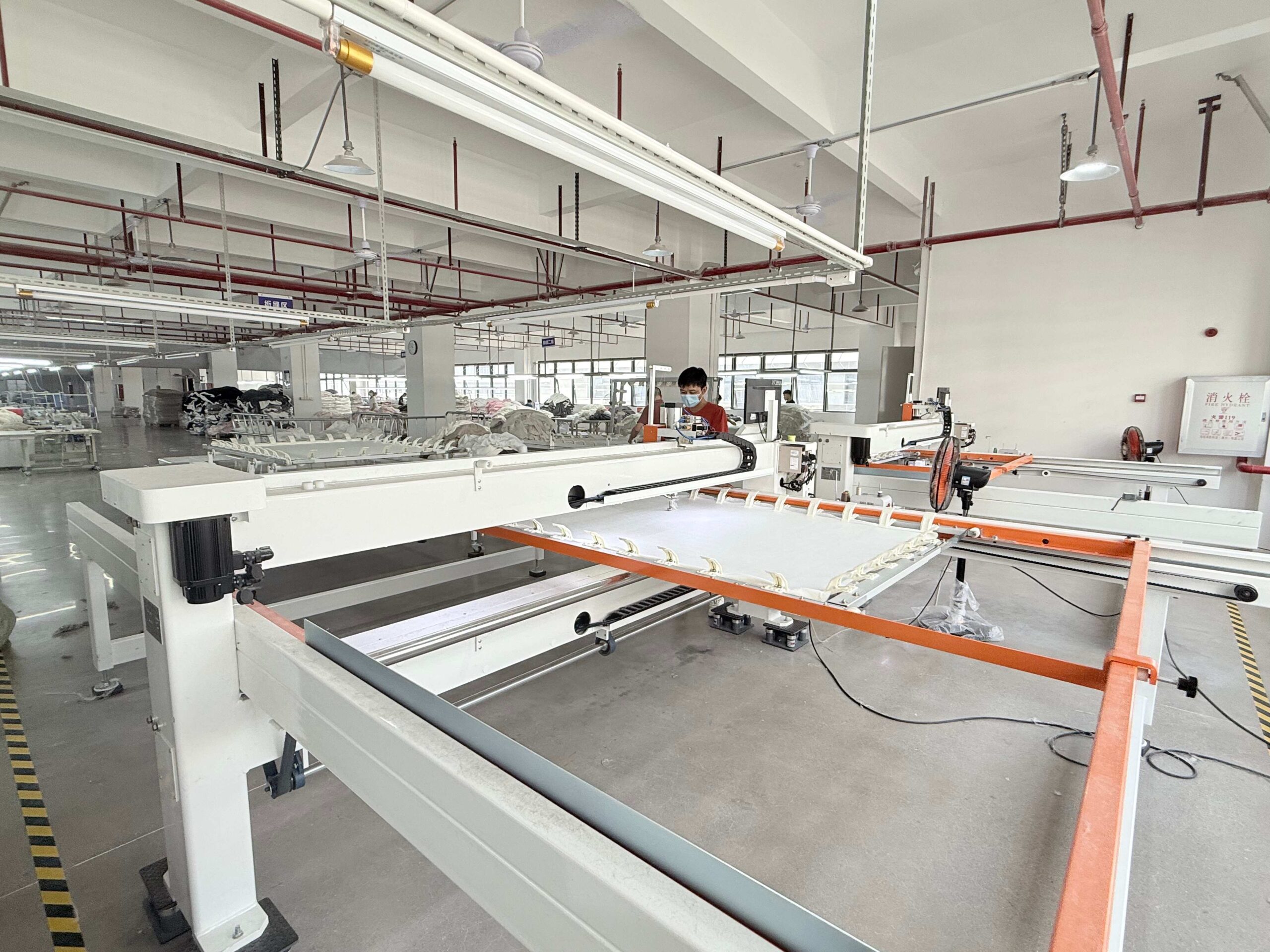
For a deeper look at factory inspection, see Electric Blanket Safety Testing & Quality Inspection Before Shipment.
A design can perform well as a prototype but still fail to meet expectations if mass production is inconsistent. Small differences in heating-wire positioning, stitching, electrical connections, controller assembly, insulation, fabric construction or component quality can affect the finished product.
For OEM and ODM buyers, manufacturing consistency becomes even more important when one product platform is developed into different sizes, fabrics, voltage configurations, controllers or private-label versions.
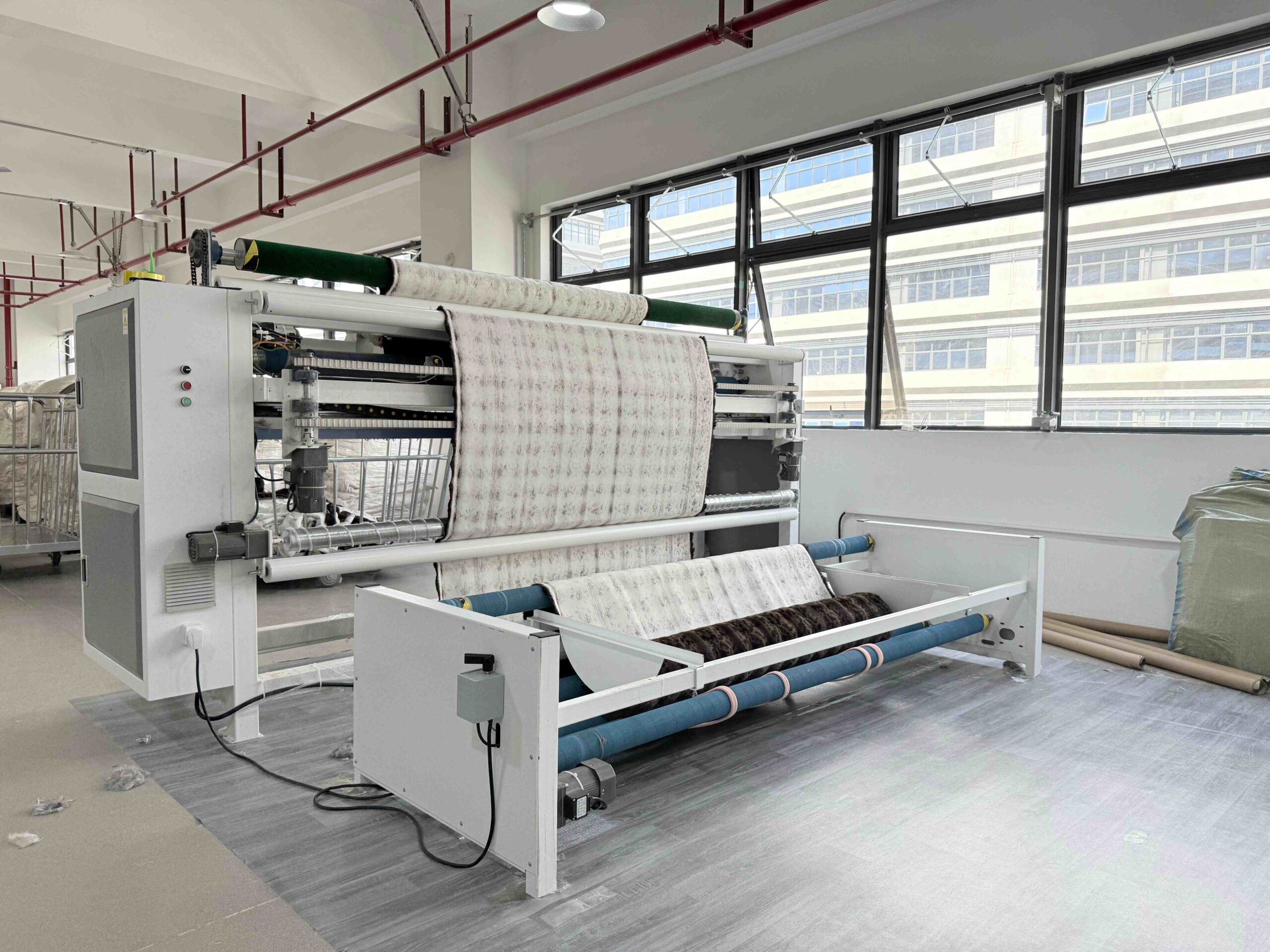
Different brands may require different fabrics, sizes, heating functions, electrical configurations and packaging. A heated throw OEM/ODM project can therefore involve several levels of customization.
| Customization Area | Typical Options |
|---|---|
| Product design | Throw size, blanket shape, heating area, heat levels, timer functions |
| Fabric | Flannel, fleece, sherpa, faux fur, microfiber and project-specific textile options |
| Electrical system | Voltage, power specification, controller, connector, cable and heating element configuration |
| Branding | Logo, woven label, wash-care label, product color and controller branding |
| Packaging | Polybag, vacuum packaging, gift box, custom carton and private-label packaging |
The exact customization scope should be confirmed against the target market, product positioning, order quantity and applicable compliance requirements.
For a broader look at product development, see OEM Electric Blanket Customization: From Product Idea to Mass Production.
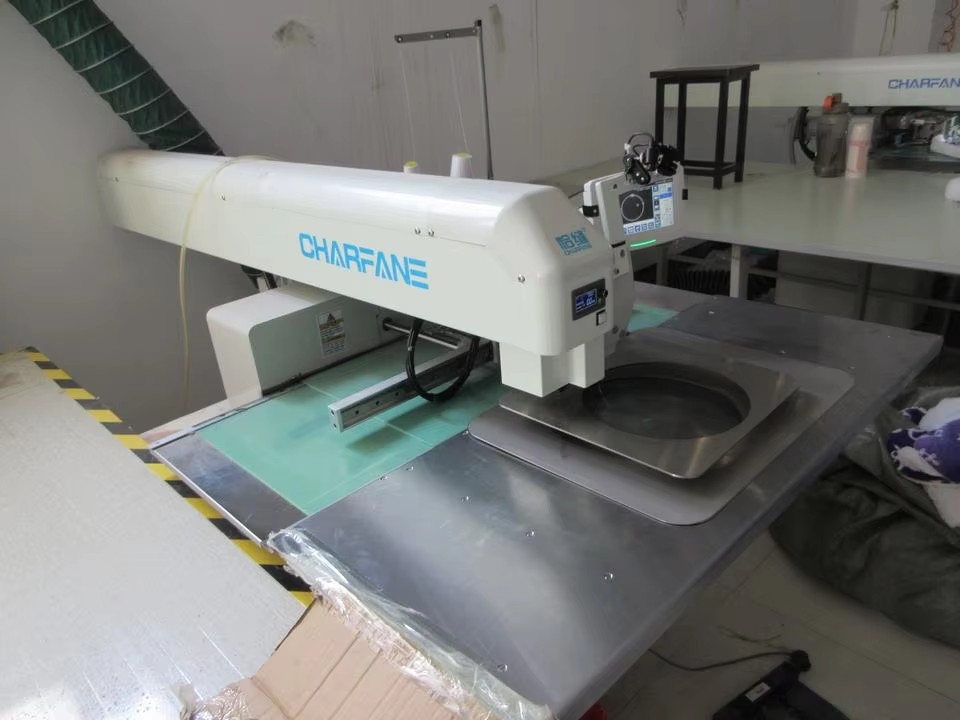
Every stage contributes to the final result. For a heated-product manufacturer, the goal is not simply to make a blanket that becomes warm. The finished product needs to provide controlled warmth, consistent construction and performance that can be reproduced in mass production.
Electrical current passes through a resistive heating element inside the blanket. The resistance converts part of the electrical energy into heat, which is then transferred through the surrounding textile layers.
The controller manages electrical power according to the selected heat setting and the product’s control design. Depending on the model, it may also provide timer, display or automatic shut-off functions.
Wire layout and spacing influence heat distribution. Fixation also helps keep the heating element in its intended position during manufacturing and normal use.
Yes. Common options include flannel, fleece, sherpa, faux fur and microfiber. Fabric choice affects hand feel, thickness, insulation and product positioning and should be evaluated together with the heating-system design.
Key items include the heating layout, controller functions, electrical configuration, target-market requirements, fabric, labels, packaging and the approved sample standard used for bulk production.
A heated throw blanket works by integrating an electrical heating system into a soft textile structure. The basic principle is straightforward:
But producing a reliable heated throw requires more than installing heating wires in fabric. Heating-element design, controller behavior, electrical connections, textile construction, protection measures and manufacturing quality all need to work together.
For brands, importers and distributors developing private-label heated throws, working from a clear technical specification and approved sample helps reduce uncertainty when moving from product concept to mass production.
Send HEATMATE your target market, fabric, size, heating system, controller, branding and packaging requirements. Our team can evaluate the project and help turn the product concept into a production-ready solution.
Start Your Heating Project TodayHEATMATE is an OEM/ODM supplier specializing in the development and production of innovative heating products, such as high-quality heating blankets USB Heated Scarf, Electric Heated Blanket, Electric Heated Under Blanket,USB Heated Jacket, USB Heated Shawl and other heated product. We have our own production factories in Shenzhen, Sichuan, and Henan. We have strong manufacturing capabilities and a commitment to large-scale production.
More manufacturing knowledge for global heating-product buyers.
Fabric plays an important role in blanket comfort, warmth, appearance and durability. Different fabrics provide different hand feel,…
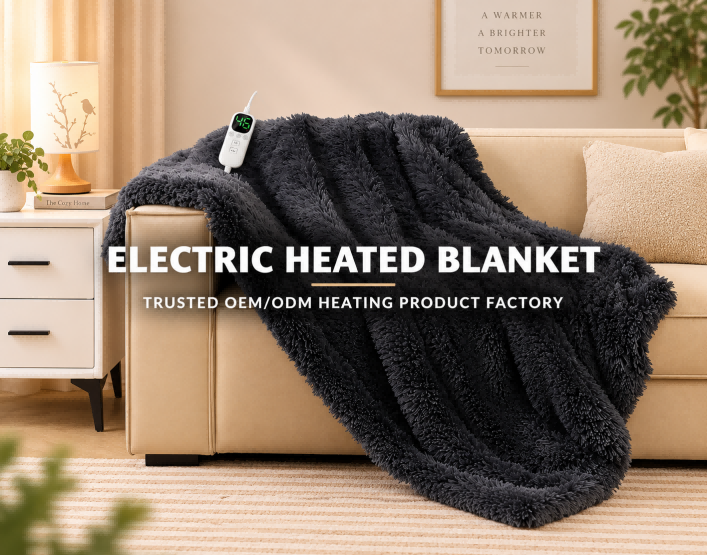
Winter demand can create strong sales opportunities for heated blankets, but seasonal products also carry a specific inventory…
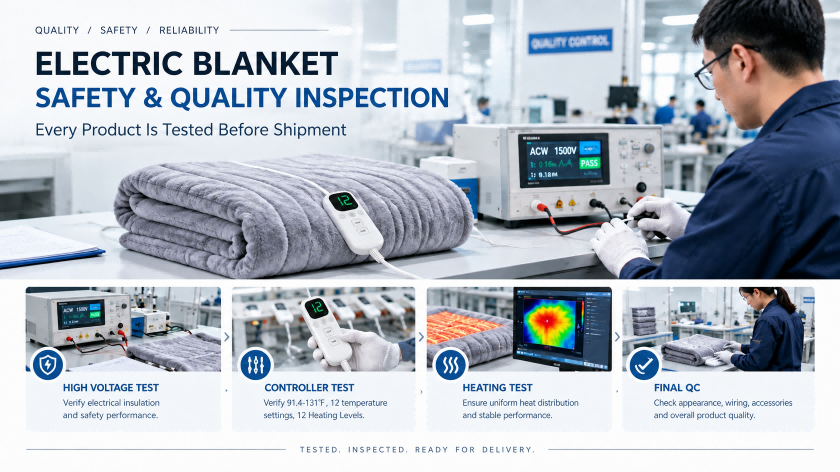
How HEATMATE Inspects Electric Blankets Before Shipment A reliable electric blanket is not only about heating performance or…
Partner with HEATMATE for professional heating solutions.
GET FREE QUOTEIf you have any questions, please do not hesitate to contact us.