What Buyers Should Check Before Ordering Electric Heating Pads in Bulk
Ordering electric heating pads in bulk requires more than comparing unit prices. This guide explains heating coverage, voltage,…
October 21, 2026
Choosing the right electric blanket manufacturer is not just about price. Buyers also need to compare product safety, factory capability, heating systems, OEM support, MOQ, lead time and the way a supplier handles quality control.
CONTACT US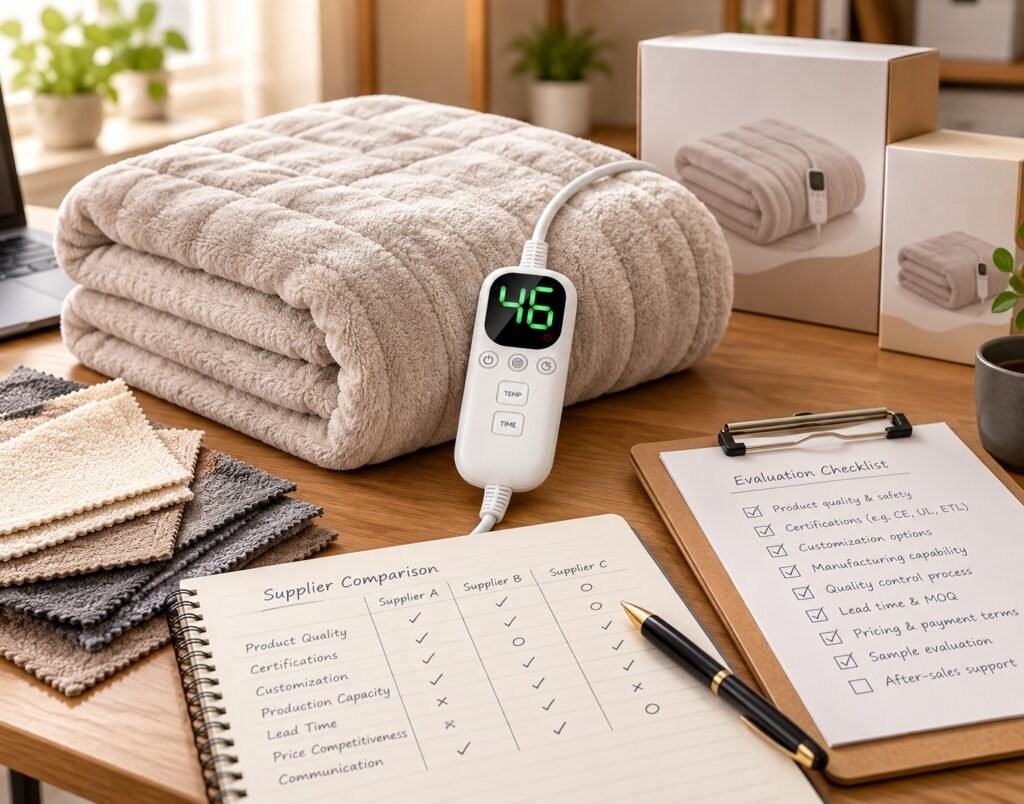
Supplier lists can look deceptively similar when buyers first start sourcing electric blankets. Product photos, certification logos, MOQs and quoted lead times often overlap. Real differences become clearer only after buyers look at factory control, market experience, testing discipline, sample approval and how suppliers respond when problems occur.
Two companies may quote nearly identical grey heated blankets with digital controls, yet differ sharply in production depth, documentation, quality systems and delivery reliability. Asking the right questions early makes comparisons more useful and reduces sourcing risk before deposits, tooling or packaging work begin.
Reliable suppliers can explain who manufactures products, which markets they serve, which certifications cover the quoted model, how heating systems are built, what MOQ and lead time apply, how samples are approved, which OEM/ODM options are available, and how quality claims are resolved after shipment. Vague or inconsistent answers deserve further checking before any commitment.
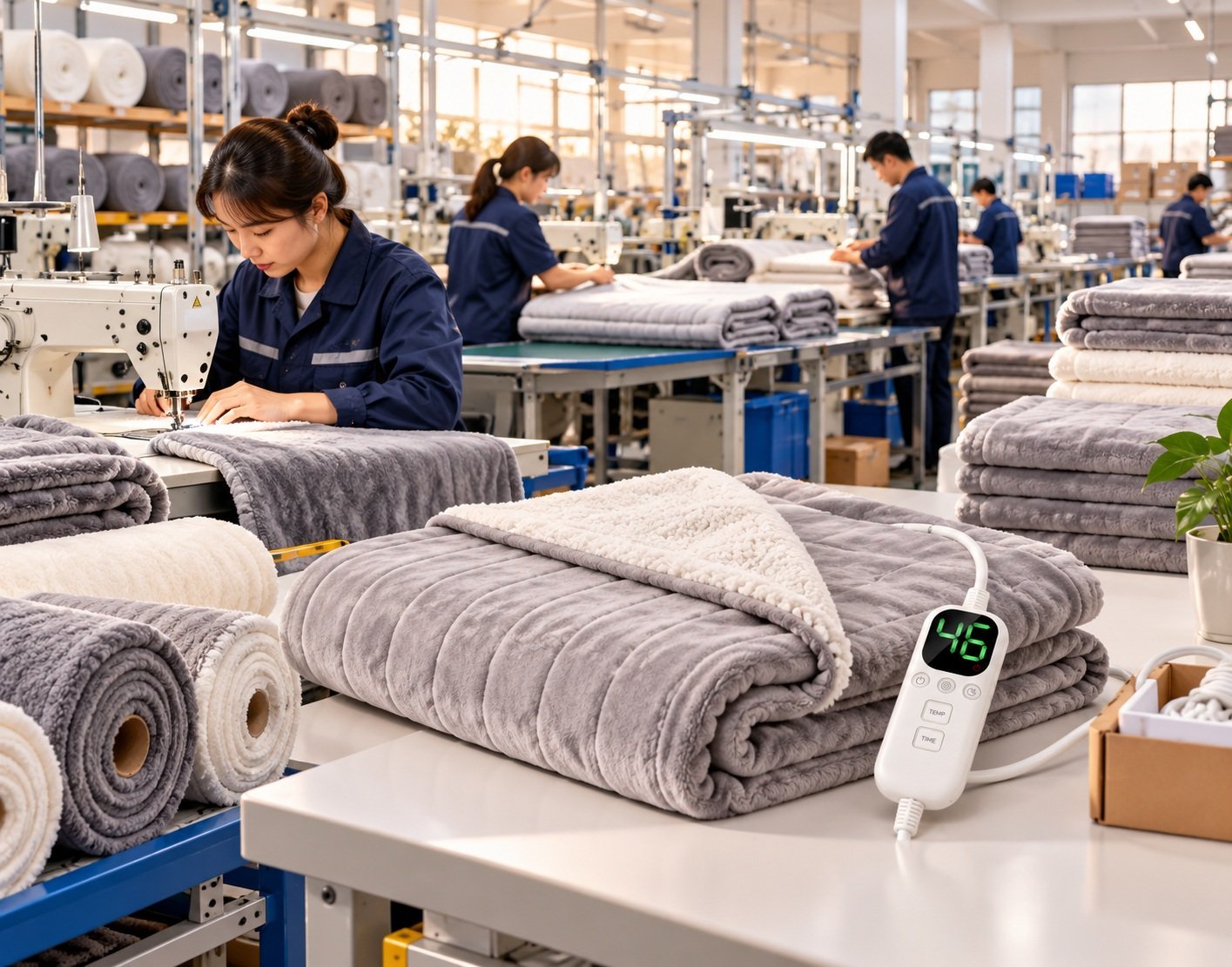
Start by identifying who actually controls production. Direct factory relationships usually give buyers clearer access to teams responsible for sampling, material sourcing, production, inspection and product development.
Instead of stopping at “yes, we are a factory,” ask for practical details:
Factory photos, workshop videos, sample records and process explanations usually reveal more than broad claims such as “professional manufacturer” or “strong production capacity.”
Market experience matters because electric blankets are not sold under one global specification. Voltage, plug type, labeling, packaging, language requirements and compliance expectations can change from one destination to another.
Ask which countries or regions the supplier already serves and how product configurations differ by market. Experience across North America, Europe, Japan, Australia or other target regions can reduce avoidable mistakes during development and documentation review.
Voltage, plug type, labeling, packaging, export history and market-specific documentation.
Relevant market experience helps teams catch configuration and compliance issues before production starts.
Claims such as “we ship worldwide” are less useful than clear explanations of how products change between markets.
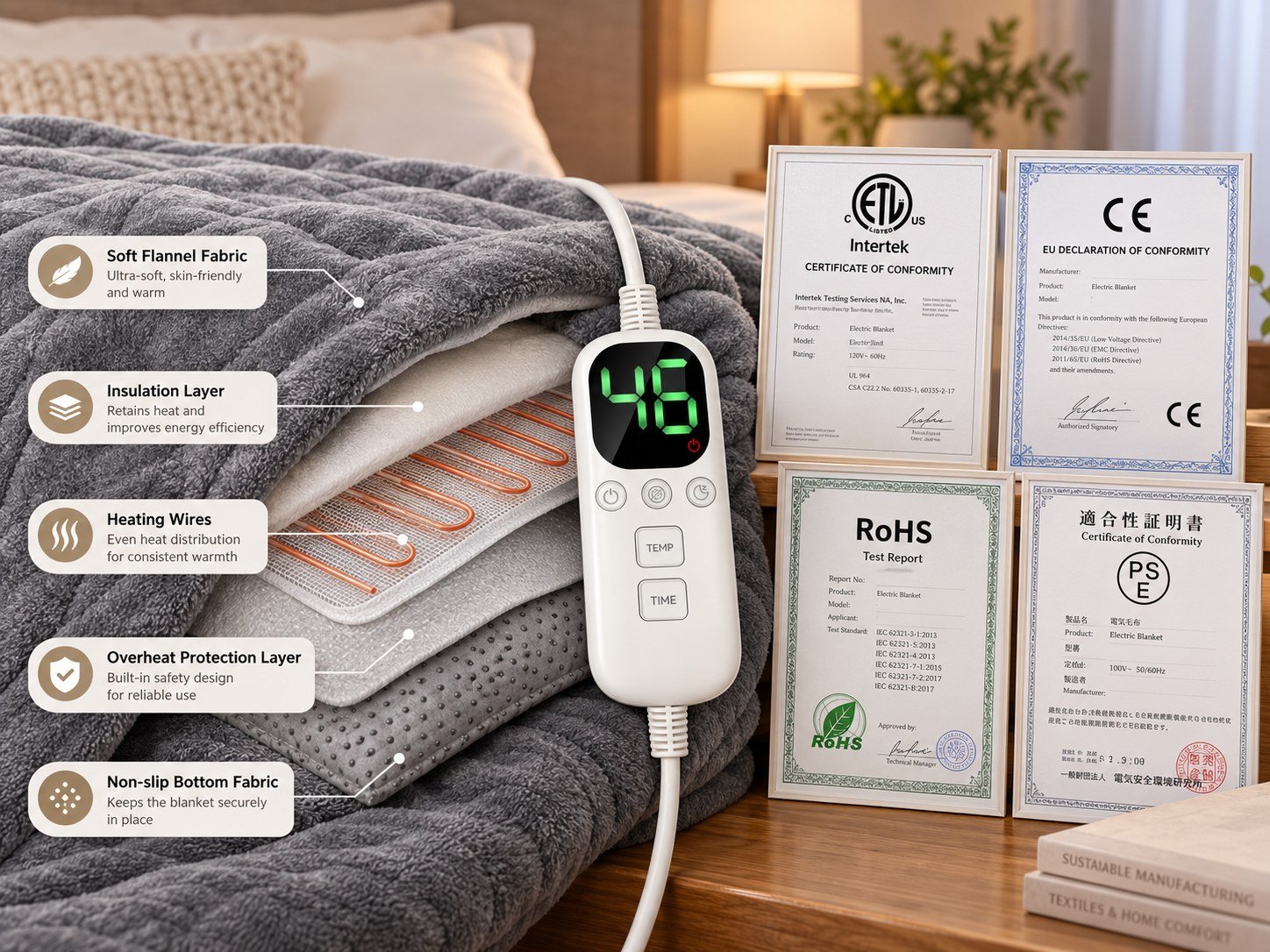
Electrical safety belongs among the first filters in supplier evaluation. Factory-level certification does not automatically cover every product model, controller, voltage or destination market.
Ask which certificates, test reports and conformity documents apply to the exact product being quoted. Depending on market and configuration, buyers may need to review ETL, UL, CE, FCC, RoHS, UKCA, PSE or other relevant requirements.
Certificates are only one part of supplier verification. Before approving an order, buyers should ask for a document set that matches the quoted product and destination market.
Why model-specific verification matters: recent U.S. Consumer Product Safety Commission recalls involving heated blankets have included overheating internal heating elements and electrical cord failures. These cases are product-specific, but they show why buyers should verify the exact model, controller, electrical configuration and supporting test documentation rather than rely only on generic safety claims.
See the official CPSC JKMAX heated blanket recall and CPSC OCTROT heated blanket recall.
Product construction varies more than listings often suggest. Heating-wire layout, heat coverage, controller design and protection logic can influence user experience as much as fabric choice.
Useful supplier discussions should cover practical differences between available systems, not just feature lists.
Established platform designs can shorten development because proven structures can be matched to different price points and market positions instead of rebuilding every detail from zero.
MOQ influences commercial feasibility, especially for new brands, trial programs and smaller retail channels. Minimums may change with size, fabric, controller, color assortment, packaging and branding requirements.
Ask what drives MOQ instead of treating one number as fixed across every configuration.
For new launches, also ask whether smaller trial orders or first-run quantities are possible. For broader purchasing context, see our guide on buying electric blankets in bulk, including MOQ and lead-time considerations.
MOQ differences often come from material minimums, controller sourcing, custom colors, packaging quantities and production setup. Two suppliers quoting different MOQs may not be quoting the same production route, so buyers should compare MOQ only after product specifications are aligned.
Pre-production samples turn specifications into something buyers can actually test. This stage is where teams can confirm whether fabric, dimensions, heating performance, controller response and packaging match agreed requirements.
For private-label and OEM projects, approved samples also create a practical reference for mass production. Any changes after approval should be documented before materials are released to the line.
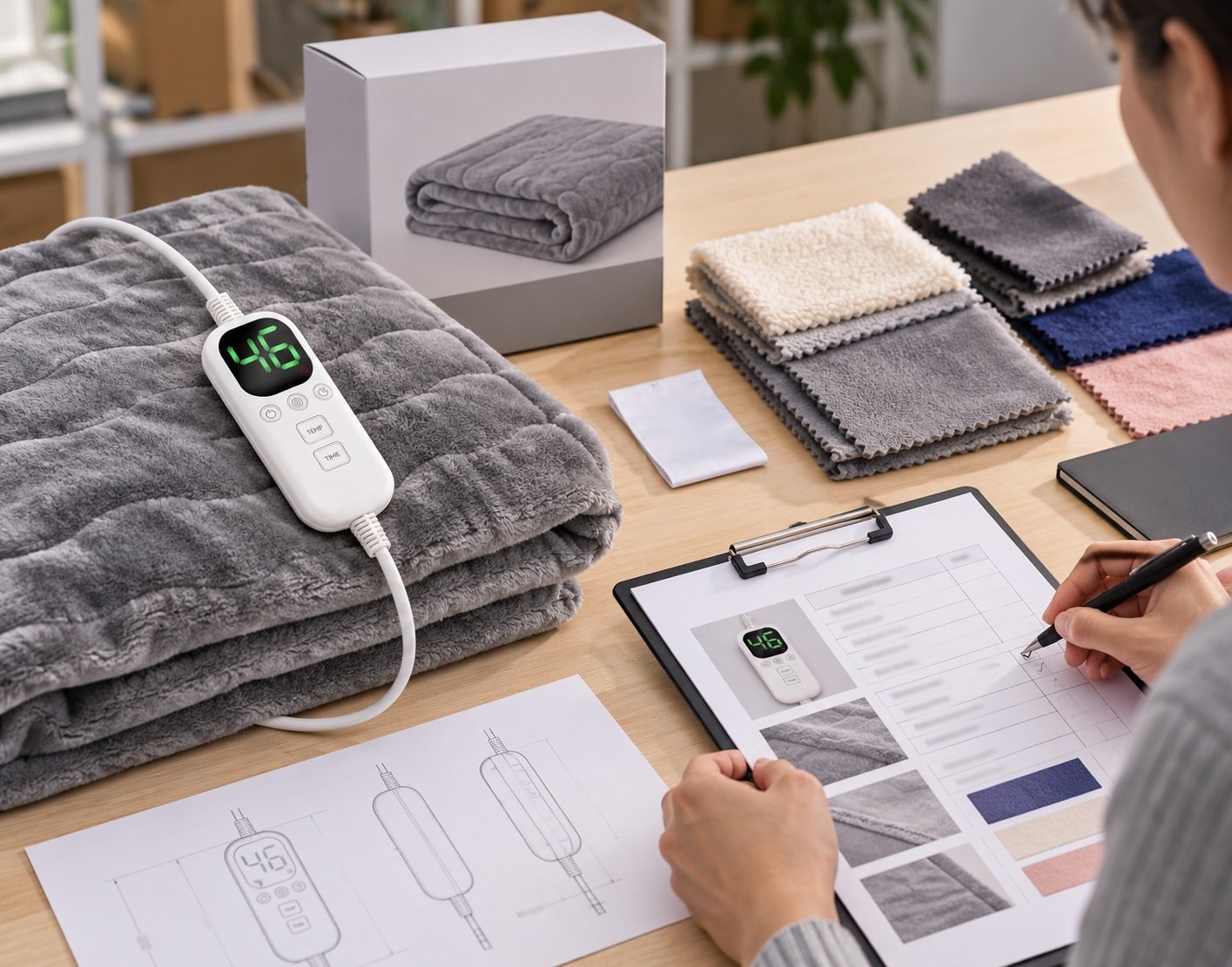
Testing and inspection sit at the core of supplier reliability. Buyers should understand what is checked, when testing takes place and whether records can be shared.
Statements such as “we check quality carefully” are too broad to be useful. Ask suppliers to explain the actual test sequence and how results are recorded.
Typical inspection items may include:
For deeper technical detail, review our guide to electric blanket safety testing and quality inspection before shipment.
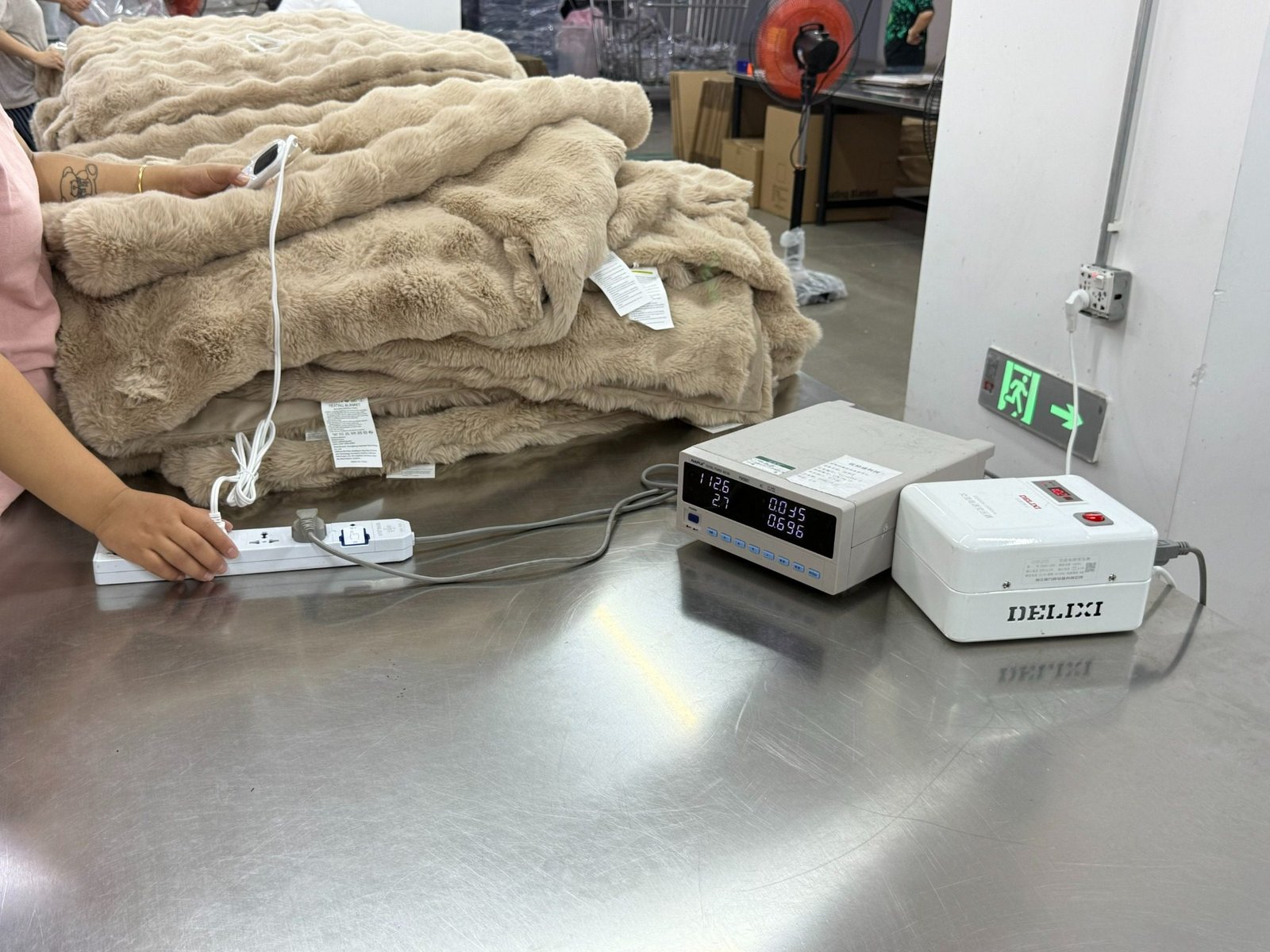
Sample approval only works if bulk production follows the same reference. Buyers should confirm how the factory links approved samples to production specifications and how any later changes are documented.
Changes to fabric, controller, wiring, labels or packaging after sample approval should be re-confirmed before mass production proceeds.
Private-label programs need more than a simple “OEM available” answer. Buyers should confirm exactly which elements can be changed and which parts depend on existing production platforms.
Customization may cover size, fabric, color, heating system, controller style, heat levels, timer functions, logos, labels, packaging, cartons and accessories.
Development depth also matters. Some factories support only cosmetic changes, while others can help move projects from early concepts to production-ready specifications.
For a fuller view of development flow, see our OEM electric blanket customization guide.
Lead time directly affects seasonal planning, replenishment and launch timing. Late production can quickly become missed revenue for winter products.
Ask for timelines covering samples, standard products, customized products, repeat orders and larger-volume orders. Just as important, confirm when the clock starts. Some suppliers count from deposit, others from sample approval, artwork confirmation or material release.
Peak-season capacity deserves separate discussion. Planning is easier with suppliers that explain realistic capacity limits than with suppliers that promise unusually short lead times without conditions.
Quality-claim procedures should be clear before cooperation begins. Buyers need to know what evidence is required, how issues are reviewed, and what replacement or compensation process applies.
Root-cause analysis matters just as much as immediate resolution. Ask how recurring issues are investigated and what corrective actions follow after claims are closed.
Clear after-sales procedures often reveal operational maturity. Vague answers around defects, claims or corrective action should count as useful supplier-evaluation data.
Supplier evaluation becomes easier when buyers know which warning signs deserve a closer look. None of these points automatically disqualifies a supplier, but they should trigger follow-up questions before orders move forward.
Strong suppliers usually become more specific as discussions move from catalog selection to samples, documents and production planning.
Lowest price rarely tells the full story. Strong sourcing decisions balance product quality, safety, factory capability, customization support, quality control, delivery reliability and communication.
| Evaluation Area | What Buyers Should Confirm | Why It Matters |
|---|---|---|
| Factory capability | Workshop, equipment, capacity, QC process | Shows whether production can support repeat orders and growth |
| Compliance | Model-specific documents for target markets | Reduces risk during market entry and customer review |
| Product structure | Heating system, controller and protection design | Affects performance, safety and user experience |
| Commercial fit | MOQ, sample support, packaging and lead time | Determines whether projects fit purchasing plans |
| Cooperation quality | Communication, documentation and claim handling | Supports smoother development and repeat business |
Use the same product brief for each supplier. Otherwise, price, MOQ and lead-time comparisons can become misleading.
| Checkpoint | Supplier A | Supplier B | Supplier C |
|---|---|---|---|
| Factory verified | |||
| Target-market experience | |||
| Model-specific documents | |||
| Heating system confirmed | |||
| Controller approved | |||
| MOQ | |||
| Sample approved | |||
| QC process reviewed | |||
| Lead time confirmed | |||
| Claim-handling process |
HEATMATE develops and manufactures electric heating products including heated blankets, heated throws, heated mattress pads, heated scarves, heating pads and related products. B2B support covers product development, sampling, customization, testing and production coordination.
OEM, ODM and light-customization projects can cover materials, sizes, colors, heating functions, labels and packaging. Buyers comparing textile directions can also review our heated blanket fabric guide.
For product-level specifications, browse our electric heated blanket product page before moving into quotation or sample discussions.
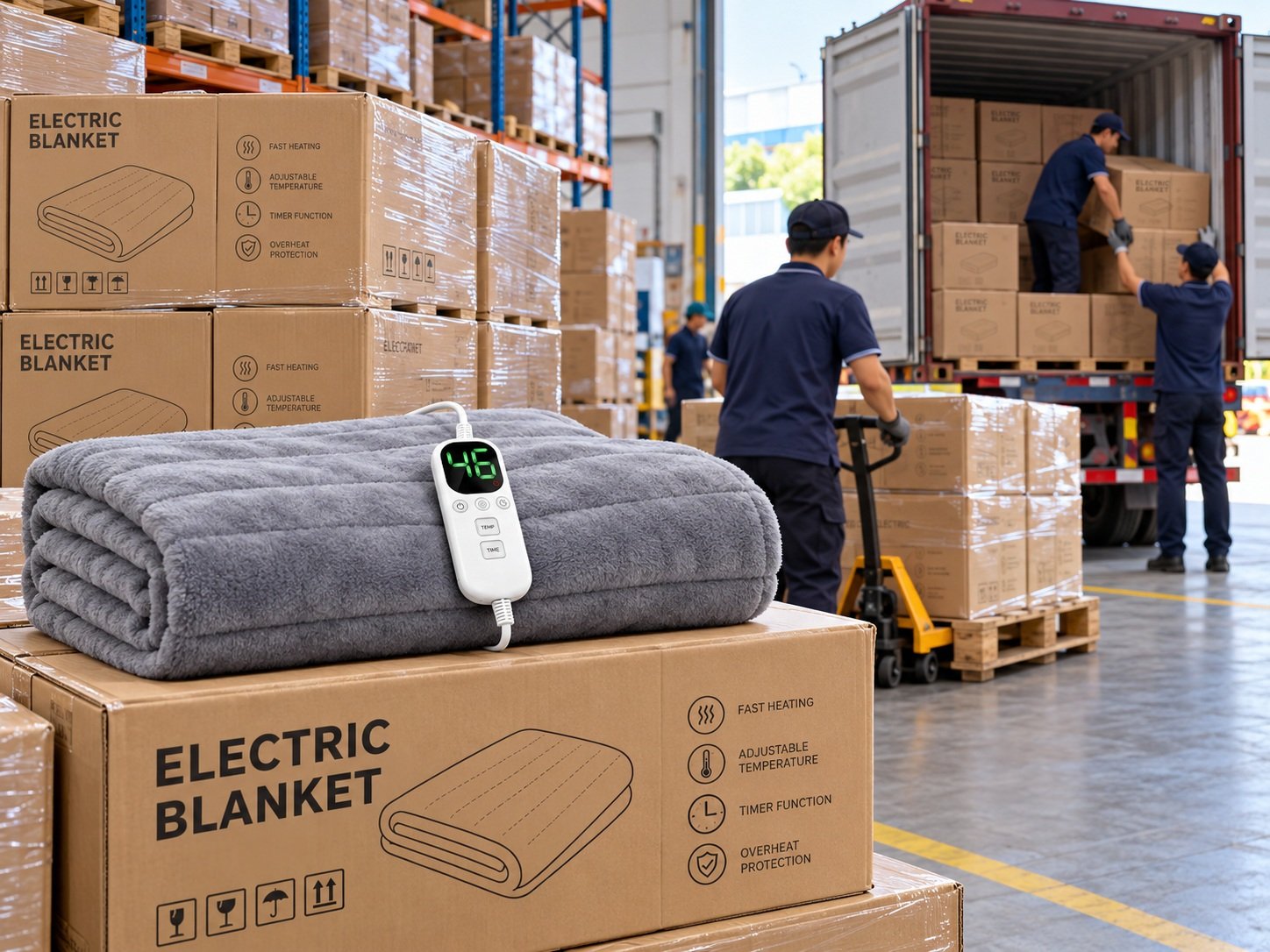
Before selecting an electric blanket manufacturer, make sure your team can answer these questions with confidence:
Clear answers backed by samples, documents and real production information give buyers a much stronger basis for choosing long-term manufacturing partners.
Product safety and manufacturing capability usually come first. Price still matters, but it should be reviewed together with testing, documentation, sample quality and delivery reliability.
Not always. Direct factory cooperation can provide better production visibility and faster technical communication, but sourcing models depend on product range, purchasing structure and support needs.
Sample approval gives buyers a physical reference for fabric, dimensions, heating performance, controller operation, labels and packaging before mass production starts.
Yes. Many manufacturers support both routes, but buyers should confirm customization depth, MOQ, tooling needs and lead time for each project.
If you are comparing suppliers, planning private-label products or preparing for the next heating season, HEATMATE can help review product options, sample requirements, MOQ, lead time and customization direction.
Talk to HEATMATEHEATMATE is an OEM/ODM manufacturer specializing in electric heating products, including heated blankets, heated throws, heated underblankets, USB heated scarves, heated jackets and related products.

More manufacturing knowledge for global heating-product buyers.
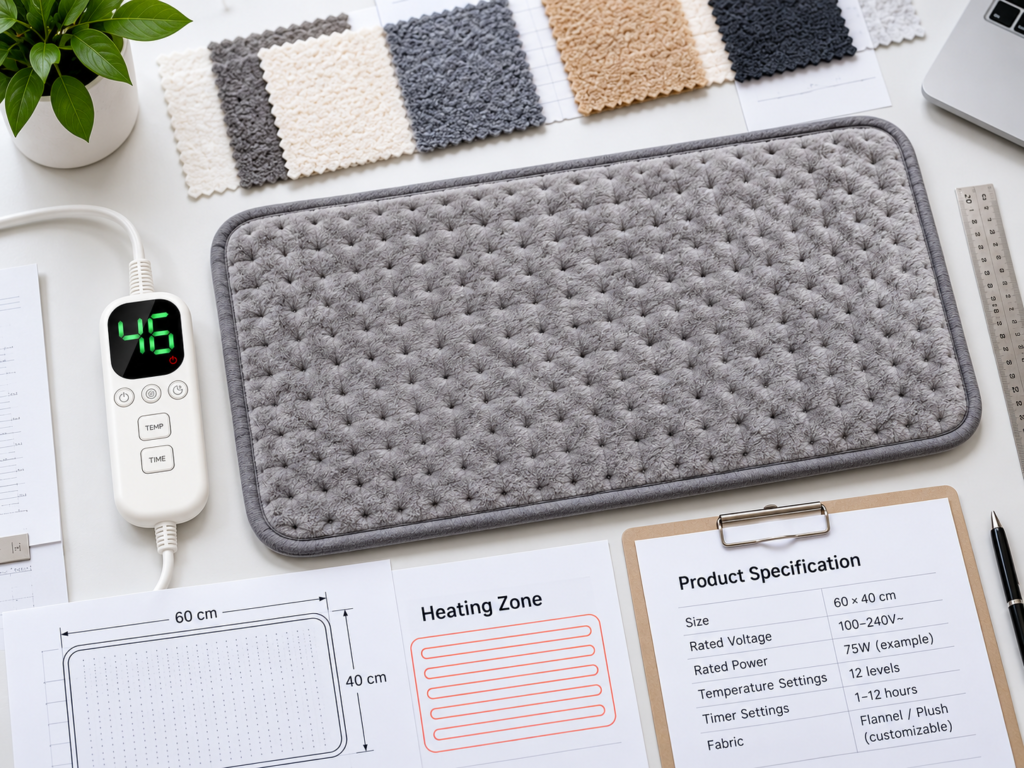
Ordering electric heating pads in bulk requires more than comparing unit prices. This guide explains heating coverage, voltage,…
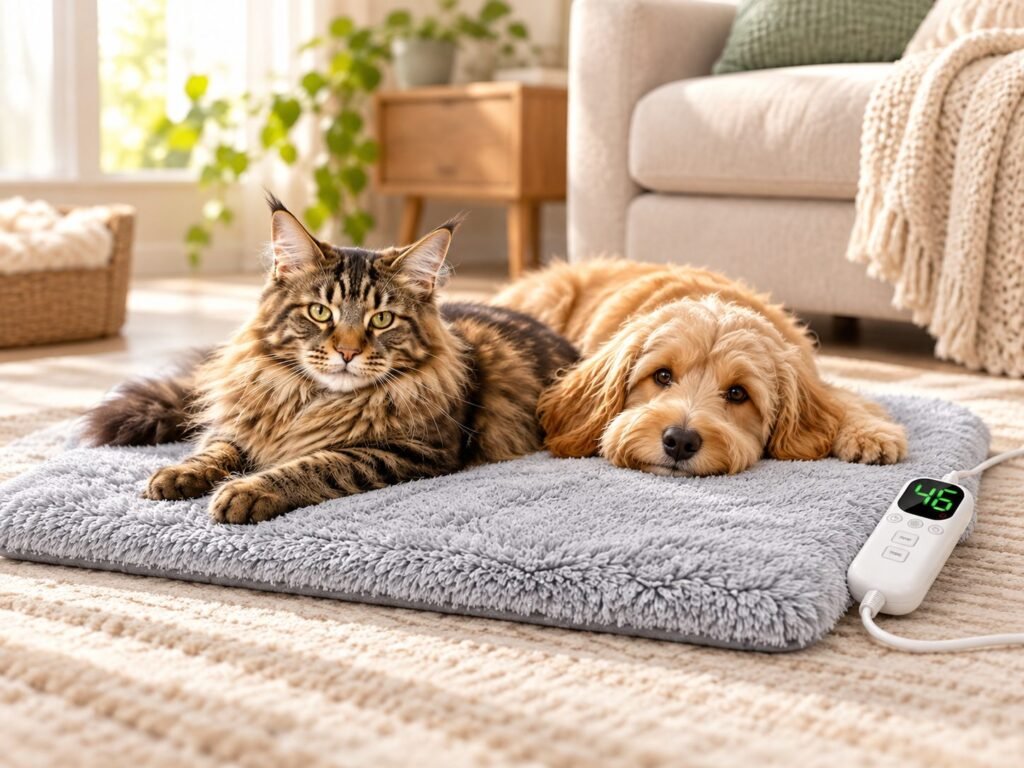
Pet heating pad sourcing involves more than comparing unit prices. This guide explains temperature control, cable protection, power…

Electric heated blankets and USB heated blankets serve different use cases. This buyer guide compares power systems, size,…
Partner with HEATMATE for professional heating solutions.
GET FREE QUOTEIf you have any questions, please do not hesitate to contact us.