Blanket Fabric Guide: 6 Common Fabrics for Heated Blankets
Fabric plays an important role in blanket comfort, warmth, appearance and durability. Different fabrics provide different hand feel,…
September 24, 2026
This guide explains how global buyers evaluate heating suppliers based on manufacturing capability, certifications and quality control.
CONTACT US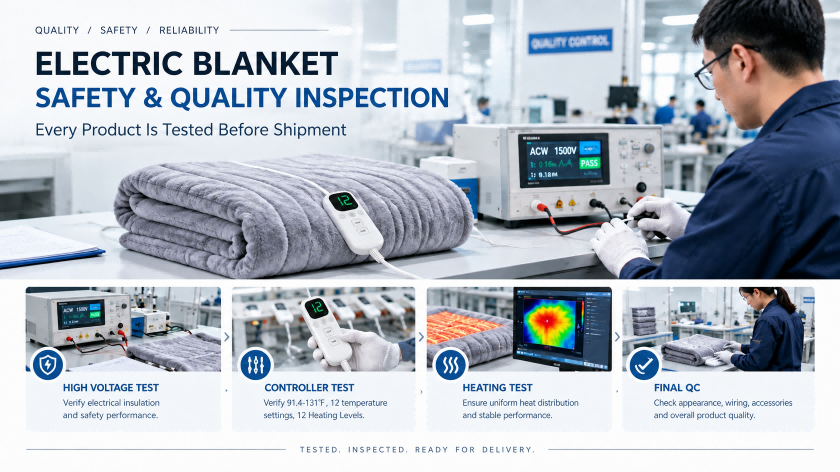
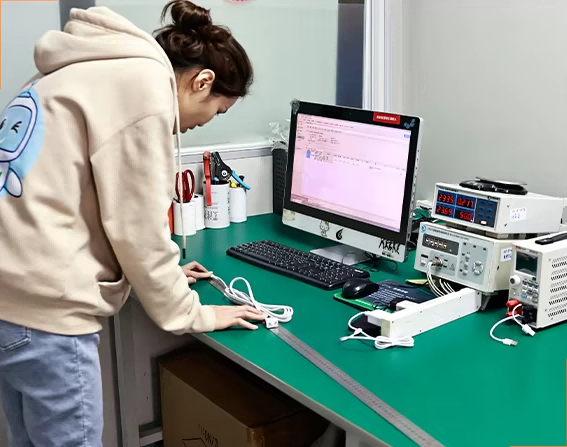
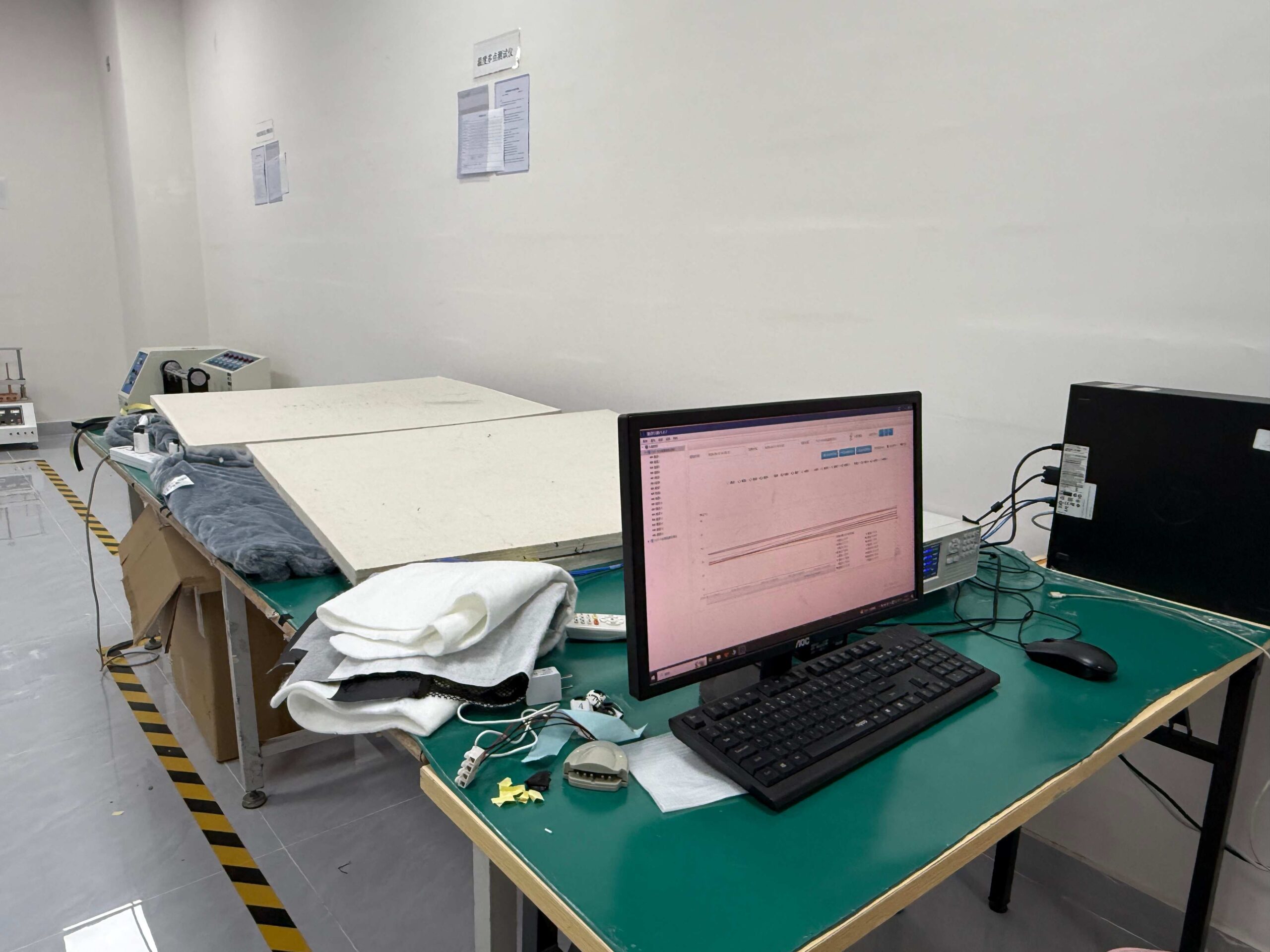
A reliable electric blanket is not only about heating performance or appearance. Before shipment, every finished product needs to undergo thorough quality inspections to ensure that its electrical components, heating system, controller, and overall construction function properly.
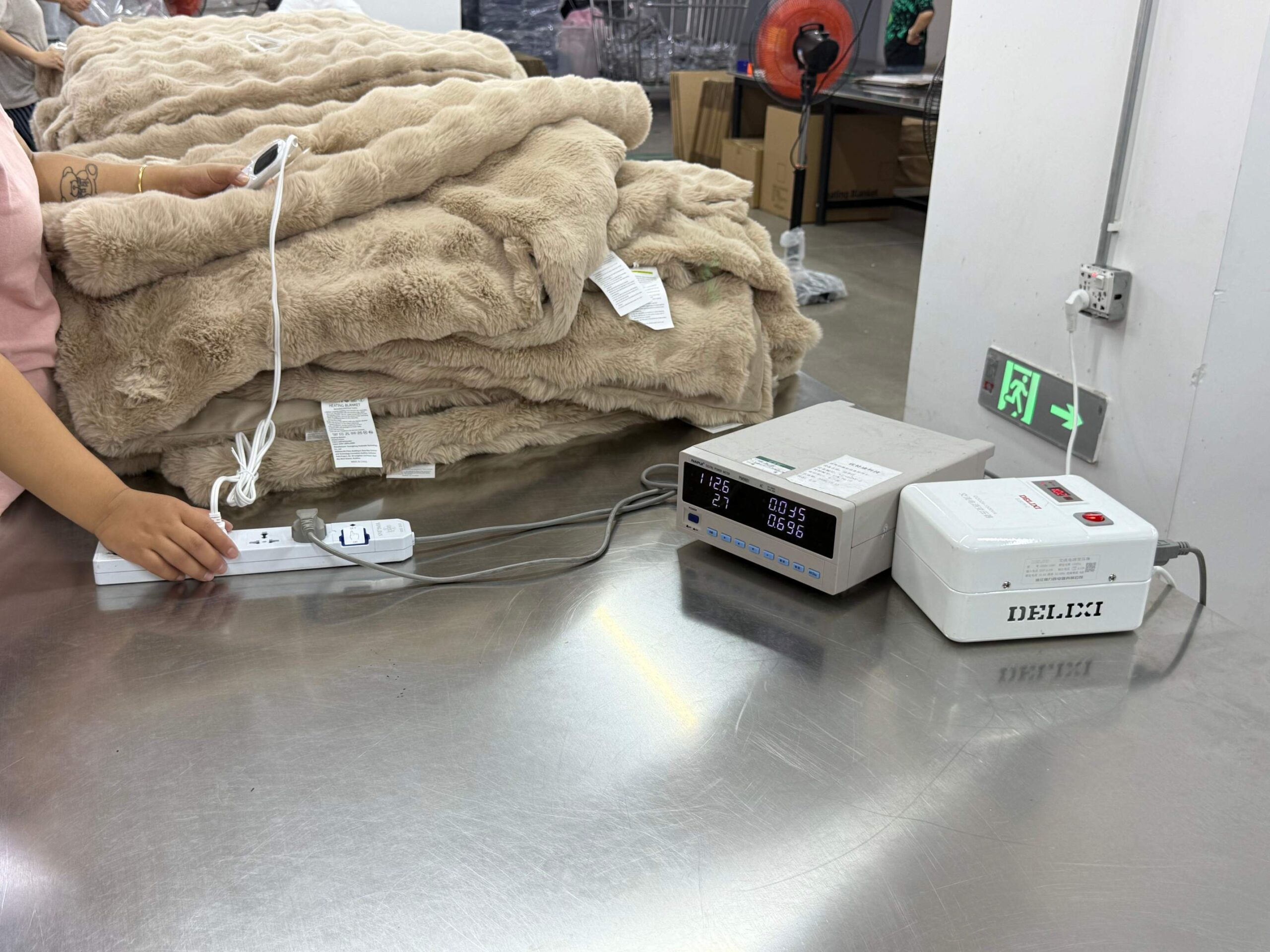
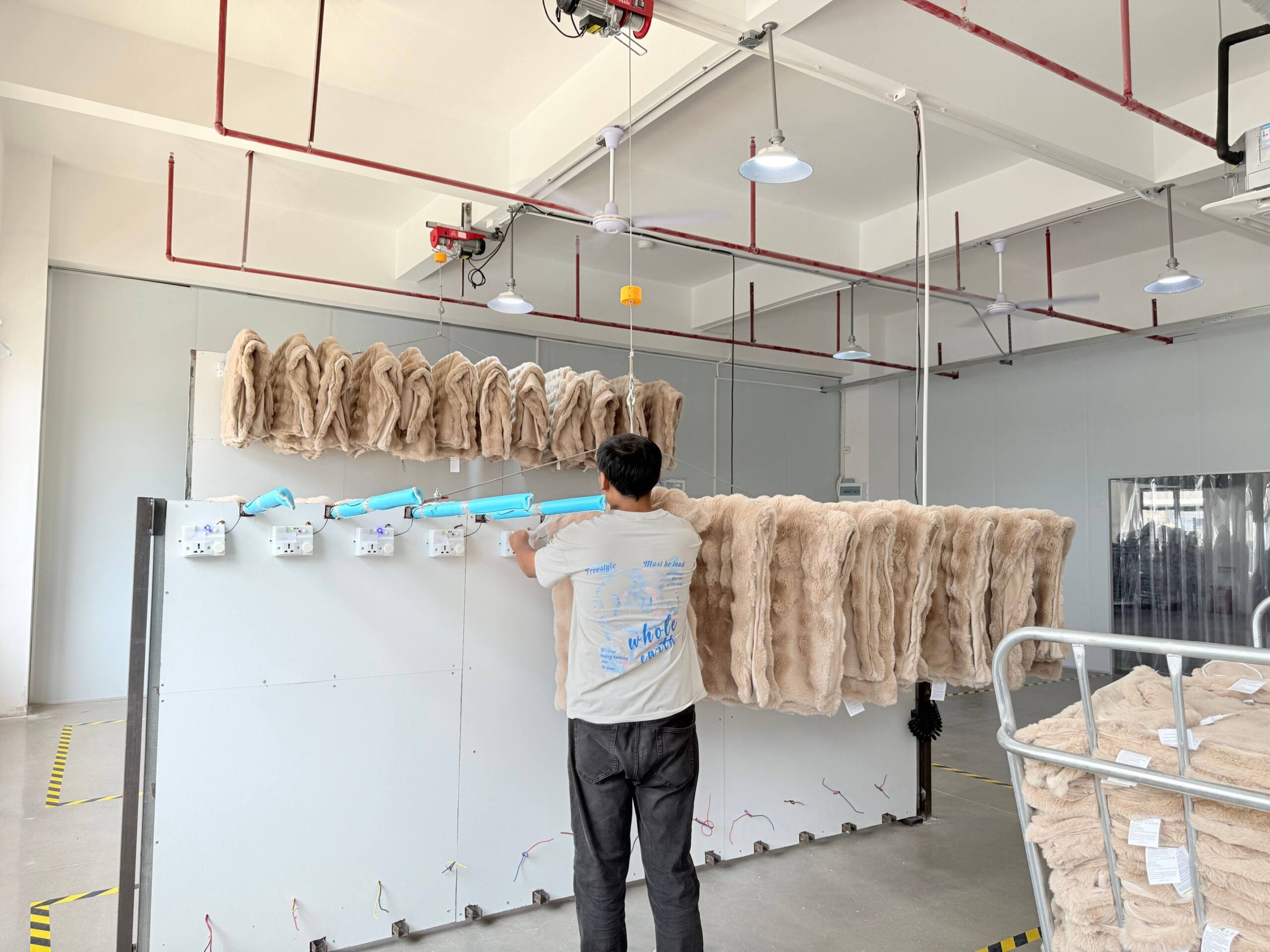
At HEATMATE, quality inspection is an essential part of our electric blanket OEM and ODM production process. Before products are packed and shipped, our QC team conducts multiple inspections and functional tests to identify potential issues and verify that the finished products meet the required specifications.
Our inspection process includes high-voltage testing, controller testing, temperature control testing, heating function testing, and overall finished-product inspection.
The purpose is simple: to help ensure that every electric blanket delivered to our customers is complete, functional, and ready for use.
Before an electric blanket leaves our factory, we carefully check its key components and functions. Electrical safety, heating performance, temperature control, wiring connections, and product workmanship are all inspected as part of the final quality control process.
These inspections help reduce the risk of electrical or functional problems after delivery and provide greater consistency across mass-produced orders.
At HEATMATE, we believe quality control should be completed before the product reaches the customer, not after.
Every blanket is inspected before packing and shipment to help ensure the product your customers receive is complete, functional, and meets the agreed specifications.
The exact construction varies by product type and market, but buyers should expect clear answers in each of the following areas.
This checklist is a starting point rather than proof of safety. Product claims should be supported by the manual, technical specification and relevant test or conformity documents.
The following seven features address the questions that appear most often in buying guides, product reviews and user discussions: Can the blanket overheat? Is it safe to leave on? What causes a hot spot? What does a flashing controller mean? Can it still be used after washing?
Overheat protection is designed to interrupt power when the blanket detects an abnormal temperature or operating condition. Depending on the product design, the protection system may use temperature sensors, a thermostat, an electronic control circuit, a thermal fuse or more than one protective layer.
An auto-off timer is not a substitute for this function. A timer responds to elapsed time. Overheat protection should respond to abnormal heat even when the selected operating period has not ended.
Folding, bunching, component failure or an abnormal connection can concentrate heat in one area. The protection system must recognize conditions outside normal operation.
Ask how overheating is detected, whether a secondary cut-off is used and how the finished blanket performs during abnormal-condition testing.
Automatic shut-off limits the length of one continuous heating cycle. It reduces the chance of a blanket remaining powered because someone fell asleep, left the room or forgot to switch it off.
Two-, four-, eight- and ten-hour timers are common discussion points among buyers. The most appropriate duration depends on the intended use. A sofa throw may use a shorter cycle, while a product designed and approved for longer use may offer a different timer range.
A clear time limit provides a predictable end to the heating cycle and reduces dependence on the user remembering to turn the product off.
The shut-off time should appear consistently on the product page, packaging and manual. The controller should make the active timer easy to understand.
Multiple heat levels improve comfort, but the number printed on the controller is not the most important detail. A well-designed blanket should raise temperature gradually, maintain predictable warmth and respond correctly when the setting changes.
More heat settings do not automatically mean better control. Six unstable settings may be less useful than three carefully regulated ones. The temperature also needs to remain reasonably consistent across the intended heating area.
Stable regulation helps prevent sudden temperature swings and discourages users from folding or layering the blanket to create more warmth.
Review the temperature range, controller logic, heating uniformity and test method—not only the number of selectable levels.
The heating element is repeatedly flexed during normal use. It should be insulated, arranged evenly and held in position so that the heating path does not easily cross, migrate or bunch inside the textile layers.
A blanket can look undamaged on the outside while an internal conductor has been stressed by tight folding, heavy pressure, incorrect storage or unsuitable washing. Localized heat is therefore an important warning sign.
Uniform positioning supports consistent warmth and reduces the chance of concentrated hot areas caused by displaced or damaged elements.
Check the heating layout, insulation, fixing method, flex durability and temperature distribution of the complete product.
The controller connection is one of the most frequently handled parts of an electric blanket. It should fit securely, resist accidental separation and include suitable strain relief where cables are repeatedly bent or pulled.
A flashing display or error code may indicate a loose connection or detected fault, but codes vary by model. Users should be able to find the meaning in the manual instead of relying on guesswork or repeatedly resetting the controller.
Loose contacts and damaged cables can cause intermittent operation, excessive heat or electrical failure around the connection point.
Check connector retention, cable strain relief, controller durability and whether fault messages are clearly explained.
“Machine washable” should describe a tested product design, not simply a marketing claim. The electrical components must detach as instructed, the internal heating system must tolerate the permitted cleaning process and the blanket must be completely dry before reconnection.
Care requirements vary. A wash cycle or drying method allowed for one model may damage another, which is why the product label and manual should give specific instructions.
Incorrect washing, twisting, high-temperature drying or reconnecting a damp product can damage insulation, conductors and connection points.
Confirm wash testing, detachable parts, drying limits and post-wash inspection requirements for the exact model.
A safety mark is meaningful only when it applies to the correct product, electrical configuration and market. In the United States, UL 964 covers electrically heated bedding. Internationally, IEC 60335-2-17:2022 addresses blankets, pads, heated clothing and similar flexible heating appliances.
For the European Union, CE marking is a manufacturer’s declaration that applicable requirements have been addressed; it is not, by itself, an independent testing certificate. Buyers should review the Declaration of Conformity and supporting technical documents for the finished configuration.
Requirements differ by destination market, voltage, plug, product category and intended use. A report for a different controller may not support the product being purchased.
Match the model number, ratings, components and report holder. Verify the issuing laboratory or certification body where possible.
Feature names can sound similar even when the underlying designs are different. This table shows what each claim should lead a buyer to verify.
| Claim | What it should mean | Useful evidence |
|---|---|---|
| Overheat protection | The system reacts to abnormal temperature | Protection description and abnormal-condition testing |
| Auto shut-off | Power ends after a defined operating period | Timer range in the specification and manual |
| Multiple heat settings | The controller provides stable selectable output | Temperature range and distribution results |
| Machine washable | The approved wash process does not damage the system | Wash method, cycle testing and care label |
| Certified or compliant | The exact product follows applicable market requirements | Model-specific report, certificate or conformity file |
Official safety guidance advises users to stop using electric blankets with visible damage such as frayed cords, scorch marks or exposed wires. The Electrical Safety Foundation International also advises against using an extension cord or power strip. Product warnings and recalls from the U.S. Consumer Product Safety Commission show why overheating and connection failures must be taken seriously.
Extra care is required for anyone who may not sense heat normally or may be unable to operate the controls. Follow the warnings supplied with the specific product and seek professional advice when a health condition affects heat sensitivity.
A timer responds to elapsed time, while overheat protection responds to abnormal temperature. A safer design should not rely on the timer alone.
More settings do not automatically mean better control. Temperature stability and even heat distribution are more useful indicators.
The document should match the finished blanket, controller, voltage, plug, model number and intended destination market.
A recurring error may indicate a loose connection or detected fault. It should be investigated rather than repeatedly reset or bypassed.
Approved washing and drying methods vary by model. Incorrect cleaning can damage internal wiring, insulation and connection points.
Changing the controller, heating element, voltage, fabric structure or plug may affect performance testing and market compliance.
Electric blanket safety begins before sampling. HEATMATE reviews the product type, intended application, destination market, voltage, plug, fabric, heating layout, controller functions, timer and labeling as part of the OEM and ODM development process.
Our manufacturing operation covers approximately 10,000 square metres, with more than 100 team members and a product-development group of over 20 people supporting electric blankets and other flexible heating products.
We identify the intended use, market requirements and missing product details before preparing the final configuration.
Heating layout, controller functions, timer, temperature levels and protection options are matched to the product concept.
The workflow covers raw-material inspection, process control, dimensional inspection, performance testing and final inspection.
Testing and conformity needs are reviewed according to the destination market and the finished product configuration.
Depending on the configuration and destination, a project may need to address requirements associated with UL or ETL, CE, CB, UKCA, PSE, FCC or RoHS. Textile-related requirements such as OEKO-TEX may also be relevant. These routes are not interchangeable, so the required documents should be confirmed for the exact model before mass production.
Independent overheat protection is the most important individual feature because it responds to abnormal heat. It should be supported by automatic shut-off, stable control, durable wiring and appropriate product testing.
No. Auto shut-off ends operation after a preset time. Overheat protection reacts to an abnormal temperature or fault. A modern blanket should not rely on the timer alone.
Only when the manufacturer specifically states that the model is designed for overnight use. Follow the manual, select the recommended setting and never override the timer or controller.
The answer depends on the destination market and product configuration. UL 964 is relevant to electrically heated bedding in the United States, while IEC 60335-2-17 is an important international safety standard. EU products must address applicable legislation and conformity requirements before CE marking.
It may indicate a loose connection or detected fault, but codes vary by model. Switch the product off, unplug it and check the manual. Do not continue using the blanket if the fault returns.
Stop using it if you find exposed or displaced wires, scorch marks, hot spots, a damaged cord, a loose connector, a burning smell or recurring controller errors. Follow the manufacturer’s replacement guidance.
The safest electric blanket is not the product with the longest feature list. It is the product whose protective systems work together, whose instructions are clear and whose claims can be traced to the correct model.
When comparing products, focus on overheat protection, automatic shut-off, stable temperature control, protected heating elements, secure electrical connections, wash-safe construction and market-specific testing. These seven electric blanket safety features provide a stronger foundation for comfort, reliability and buyer confidence.
Share your target market, product type, preferred fabric, size, controller functions, packaging and estimated quantity. HEATMATE can review the requirements and help define a suitable path from specification to mass production.
Discuss Your OEM RequirementsEditorial note: This article provides general product-safety information and does not replace the instructions supplied with a specific electric blanket or advice from a qualified safety professional.
HEATMATE is an OEM/ODM supplier specializing in the development and production of innovative heating products, such as high-quality heating blankets USB Heated Scarf, Electric Heated Blanket, Electric Heated Under Blanket,USB Heated Jacket, USB Heated Shawl and other heated product. We have our own production factories in Shenzhen, Sichuan, and Henan. We have strong manufacturing capabilities and a commitment to large-scale production.
More manufacturing knowledge for global heating-product buyers.
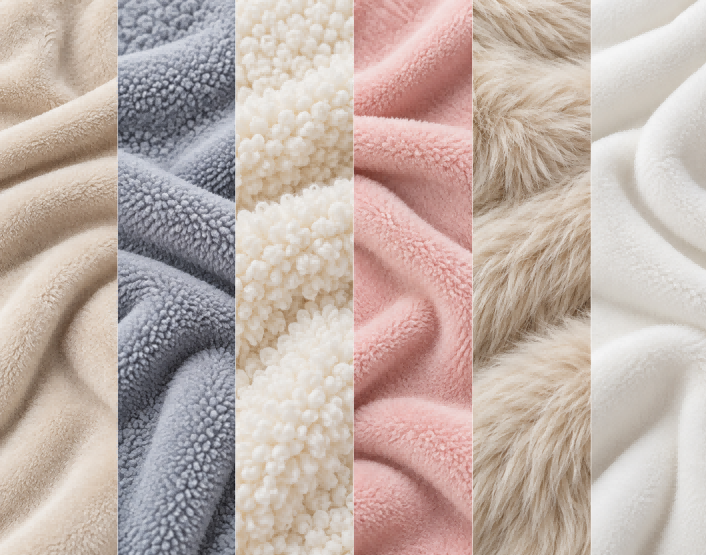
Fabric plays an important role in blanket comfort, warmth, appearance and durability. Different fabrics provide different hand feel,…
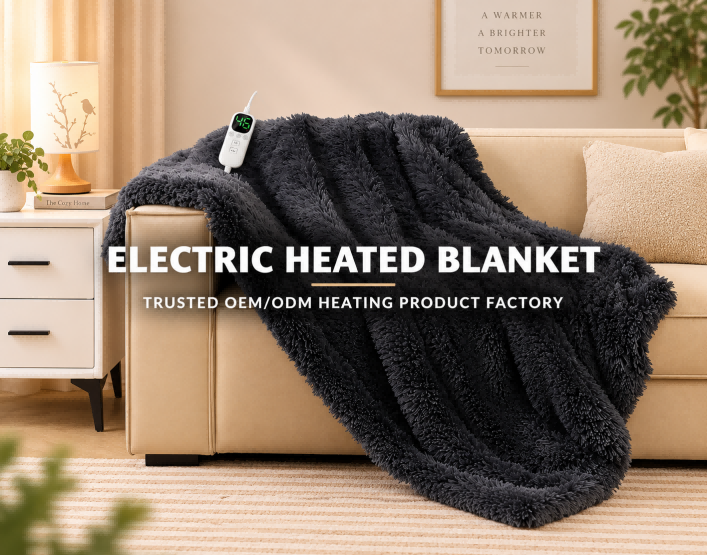
Winter demand can create strong sales opportunities for heated blankets, but seasonal products also carry a specific inventory…
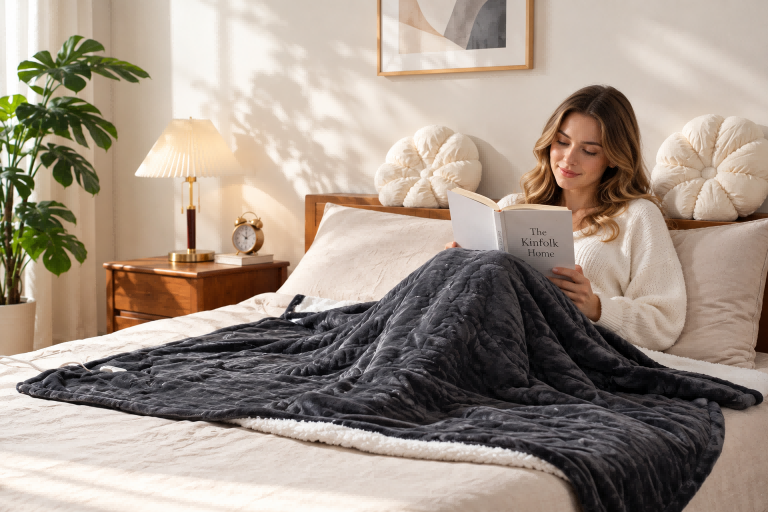
A heated throw blanket combines soft textile materials with an integrated electrical heating system to provide controlled warmth.…
Partner with HEATMATE for professional heating solutions.
GET FREE QUOTEIf you have any questions, please do not hesitate to contact us.